2026
Medical Information- and Communicatio...
2020-Ongoing
teaching
Medical Information- and Communication Systems
VUB
Since 2020, I cover the aspect 'Clinical Decision Support Systems' with a heavy emphasis on providing a strong background in AI.
Study Program: Master in Healthcare Management
Course ID: 4012391ENW
Role: Assistant lecturer
Information systems
2020-Ongoing
teaching
Information systems
KU Leuven
Since 2020, I cover the aspect 'Clinical Decision Support Systems' with a heavy emphasis on providing a strong background in AI.
Study Program: Master in Hospital Hygiene
Course ID: B-KUL-E00I9A
Role: Assistant lecturer
Real-world federated learning for bra...
IF 3.8
• Q1
publications
Real-world federated learning for brain imaging scientists
Frontiers in Digital Health
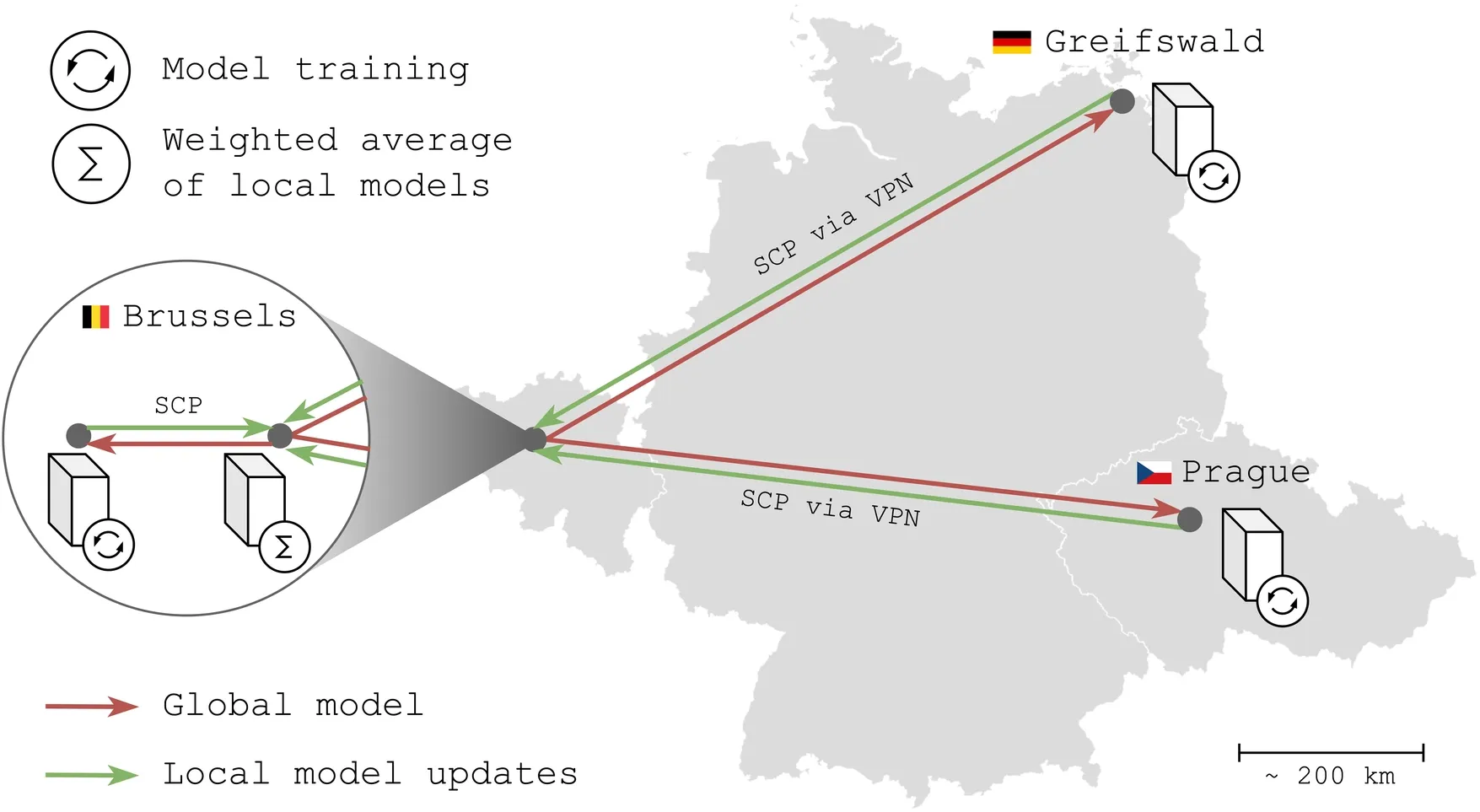
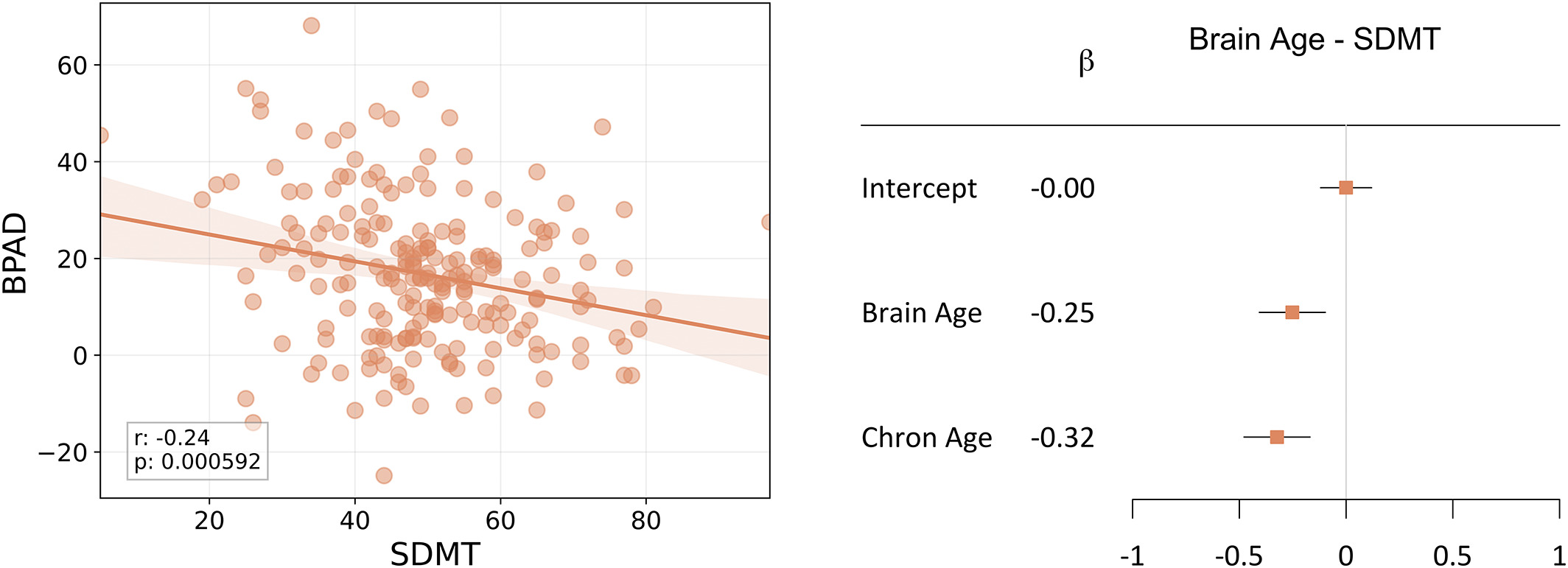
In a real-world federated learning network across 3 countries, our in-house built 'FLightcase' toolbox predicted brain age within 6.08 years (healthy) and cognitive function within 9.19 points SDMT (MS).
PDD-FANs: Personalized Decentralized ...
publications
PDD-FANs: Personalized Decentralized Federated Adversarial Networks with Defense Mechanism in Non-IID Setting
IEEE TrustCom 2025 (Conference)
This paper introduces a new federated learning method: 'PDD-FANs'. Using an ablation study with Byzantine attack, the method outperforms the state of the art in handling non-IID data.
Tianzheng Hu (胡天正)
2025-Ongoing
mentoring
Tianzheng Hu (胡天正)
Medical Sciences
Topic: Exploring the relationship between brain age and neurological disorders
Role: Co-promoter
Type: PhD
Xinguang Wang (王新光)
2024-Ongoing
mentoring
Xinguang Wang (王新光)
Medical Sciences
Topic: Enhancing performance in deep learning-based brain age prediction models via federated learning
Role: Co-promoter
Type: PhD
Mohammad Waleed Adnan
2025-Ongoing
mentoring
Mohammad Waleed Adnan
Applied Computer Science
Topic: explaining brain age models with XAI
Role: Co-promoter
Type: Master
2025
ECTRIMS
conferences
ECTRIMS
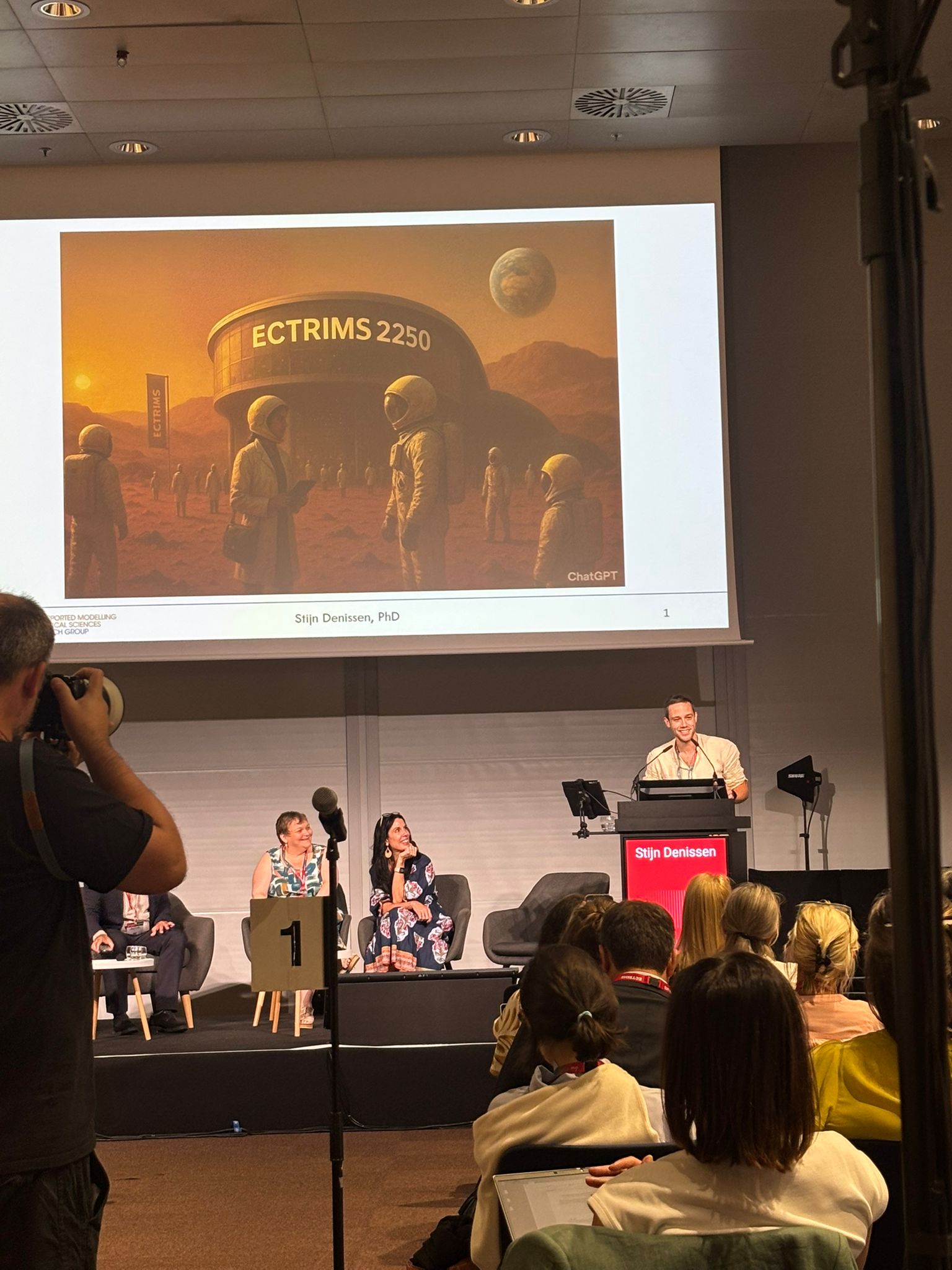
Will AI shift decision making in favor of the PwMS in the next decade?
Invited talk during the Nursing session at ECTRIMS on 'Shared decision making and digitalisation'
Location: Barcelona (ES)
BVNV
conferences
BVNV
Artificiële intelligentie in MS
Talk at the annual conference of the Belgian Society for Neurological Nurses
Location: Blankenberge (BE)
NNR
conferences
NNR
Surfing the smartphone wave to support clinical practice
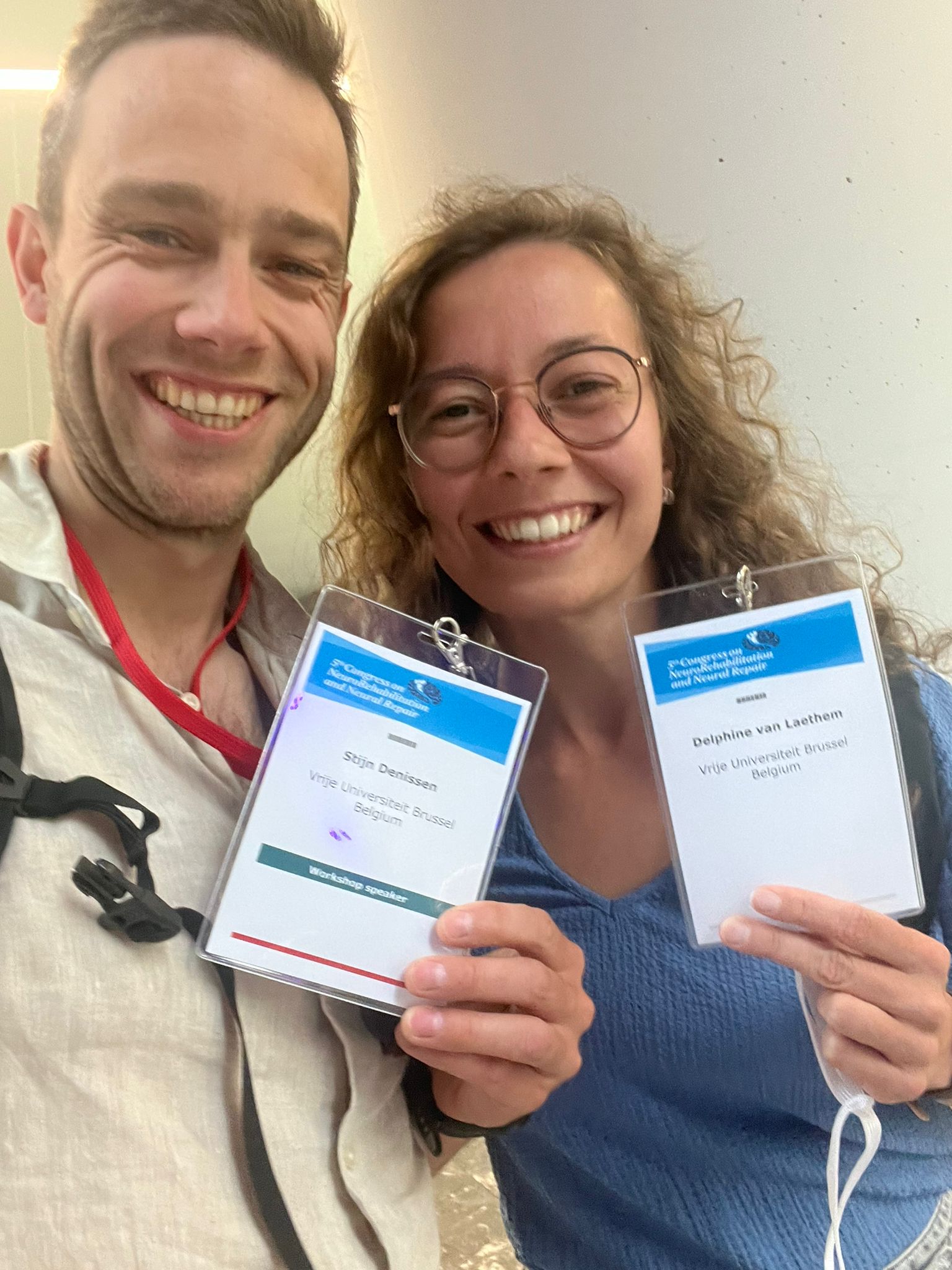
Talk in the workshop on 'Advances in Neuropsychology: Innovations in Cognitive Assessment and Intervention', together with Dr. Delphine Van Laethem.
Location: Maastricht (NL)
iAIMS community
2025-Ongoing
community_engagement
iAIMS community
Founder
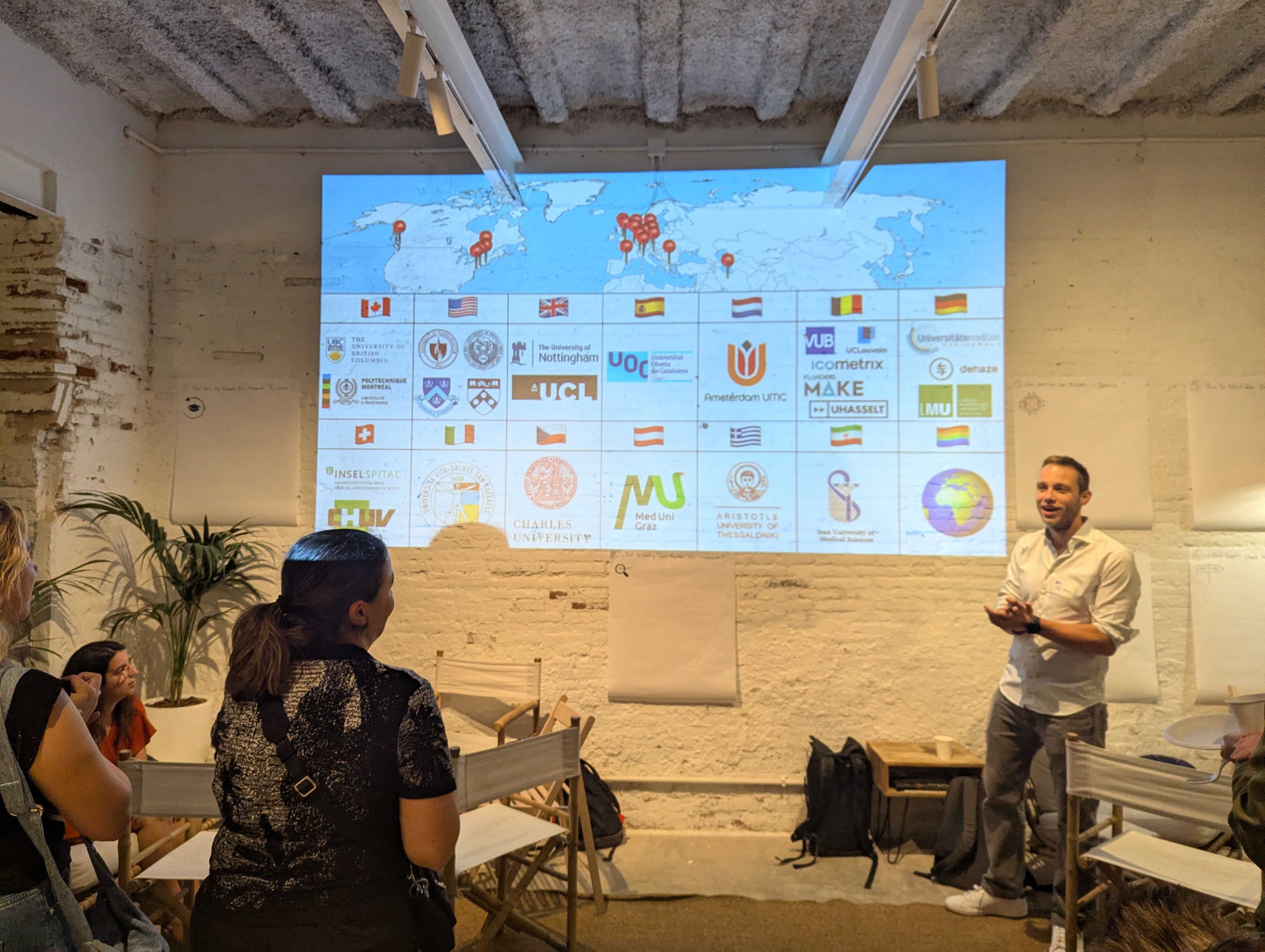
During the 2024 edition of ECTRIMS in Copenhagen, I sat down with Dr. Ceren Tozlu and my professor Prof. Guy Nagels as we observed a trend that technically-oriented researchers did not really find their way in the clinical ECTRIMS. With the input and support of Dr. Ceren Tozlu and my own research group AIMS, I subsequently decided to organise an informal brainstorm with people interested in the AI x MS intersection (cfr. photo). In the meantime, iAIMS has become a trusted community with members across the world that hosts this interdisciplinary discussion in multiple ways, including monthly journal clubs, Discord discussions and teaching. For more info, please visit our website.
Location: International
Role: Founder
BIDS data format taskforce
2025-Ongoing
community_engagement
BIDS data format taskforce
Supervisor
With primarily PhD students in our lab, I took the initiative to start a taskforce within our lab to convert our datasets to the gold standard Brain Imaging Data Structure ('BIDS') format.
Location: AIMS lab, VUB
Role: Supervisor
Computational Neuroscience
teaching
Computational Neuroscience
Vietnam National University
Jury member for Bachelor projects on machine learning on EEG data
Role: Jury member
BICAMS training
teaching
BICAMS training
Bach Mai hospital, Hanoi, VN
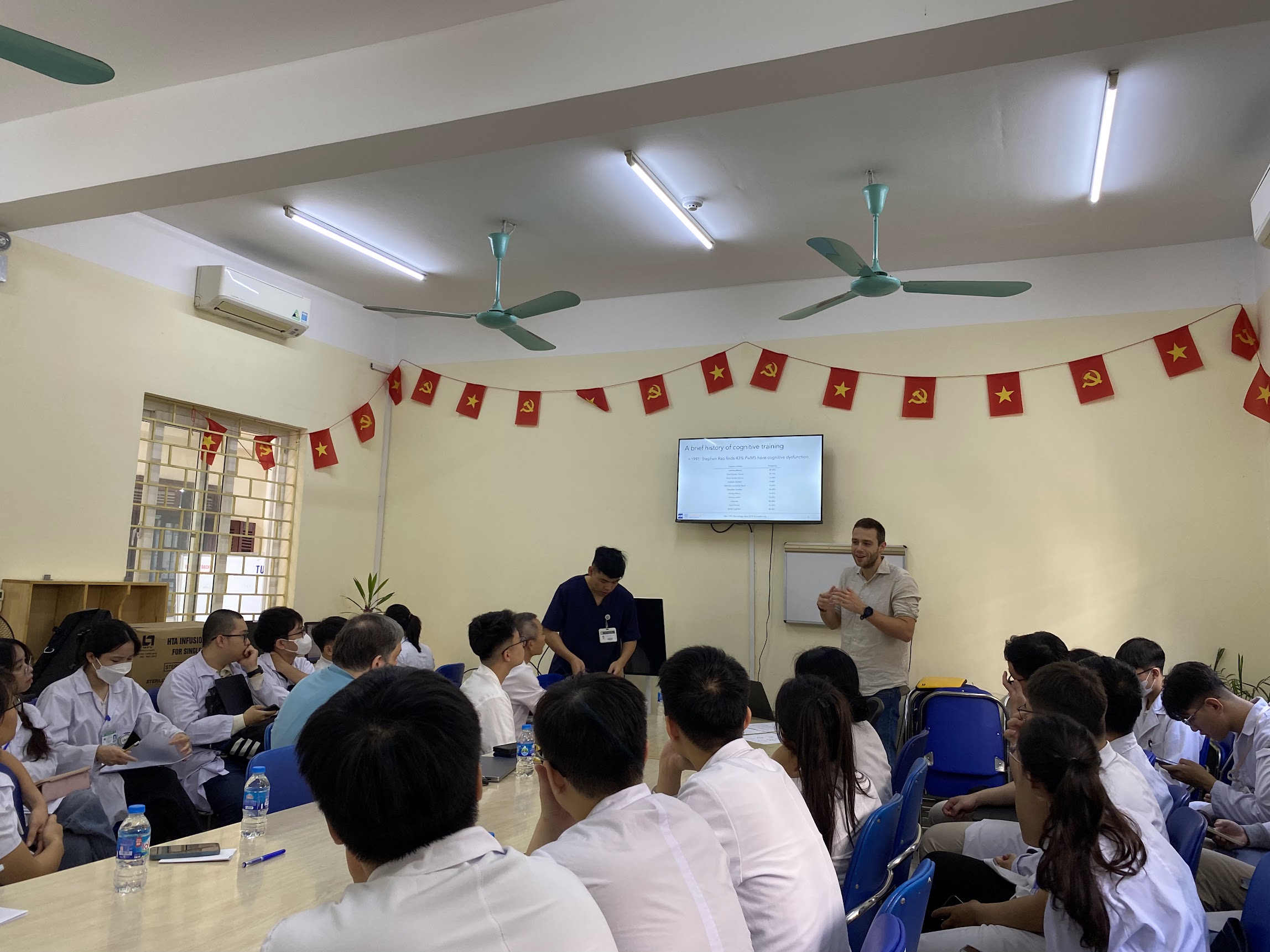
Teaching Bach Mai hospital students to take the BICAMS cognitive testing
Role: Instructor
Incorporating measures of cognitive p...
IF 2.1
• Q2
publications
Incorporating measures of cognitive processing speed and brain volume in clinical management of pediatric onset MS
Pediatric Neurology
Whole brain volume percentile (r = 0.4, P = 0.01), white matter percentile (r = 0.4, P = 0.01), and white matter lesion volume (r = −0.4, P = 0.005) were associated with SDMT score. Annualized percent brain volume change of the hippocampus (measured a median of 1.6 years apart) significantly correlated with follow-up SDMT (r = 0.4, P = 0.02), and annualized percent brain volume change of the thalamus correlated with annual change in SDMT z-score (r = 0.4, P = 0.009).
Latent Representation Learning from 3...
publications
Latent Representation Learning from 3D Brain MRI for Interpretable Prediction in Multiple Sclerosis
arXiv preprint
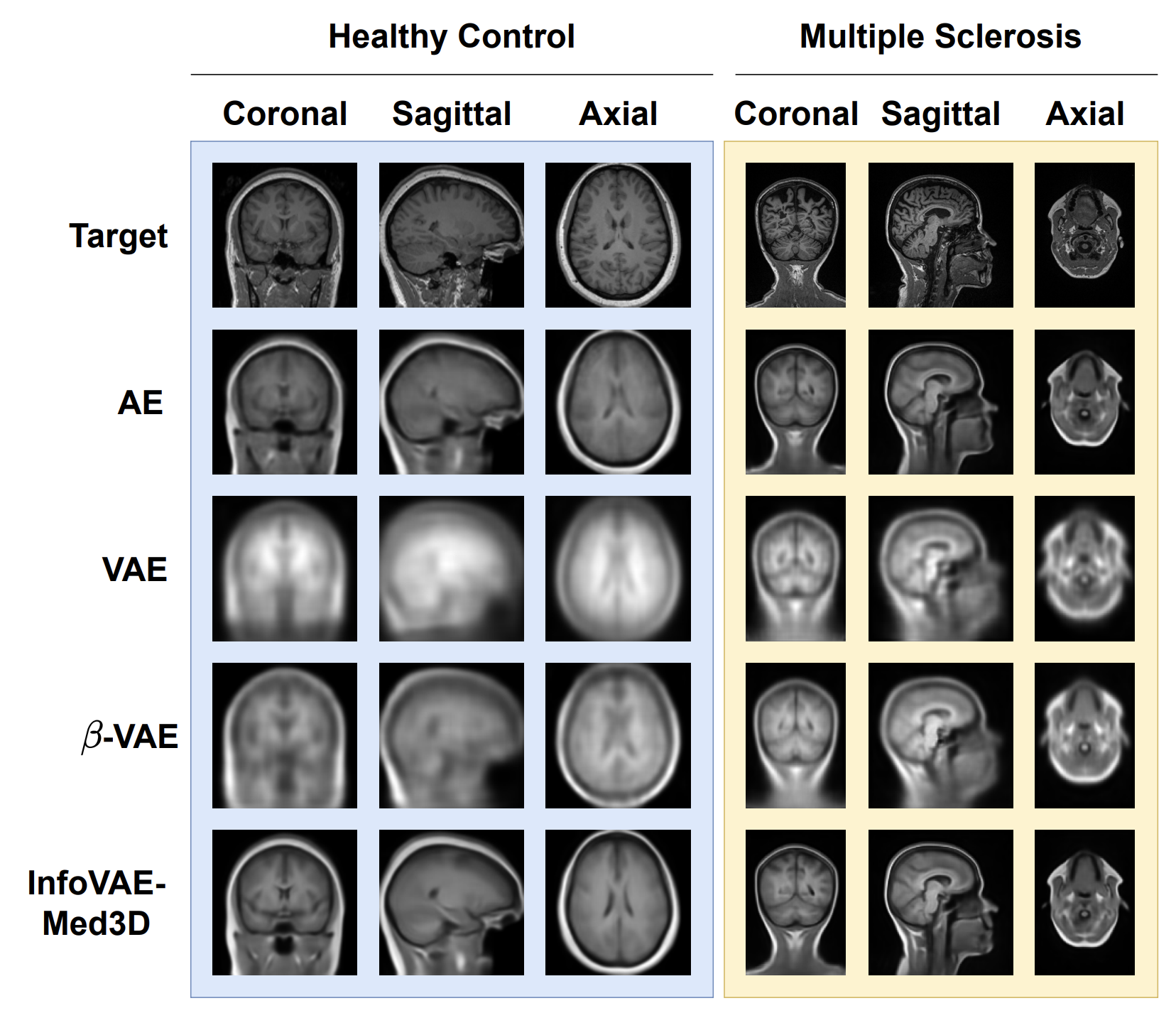
This paper presents InfoVAE-Med3D, a latent-representation learning approach for 3D brain MRI that targets interpretable biomarkers of cognitive decline. Across reconstruction and downstream prediction tasks (prediction of age and cognitive performance), InfoVAE-Med3D consistently outperforms other VAE variants, indicating a richer latent space.
A New Smartphone-Based Cognitive Scre...
IF 6.0
• Q1
publications
A New Smartphone-Based Cognitive Screening Battery for Multiple Sclerosis (icognition): Validation Study
Journal of Medical Internet Research
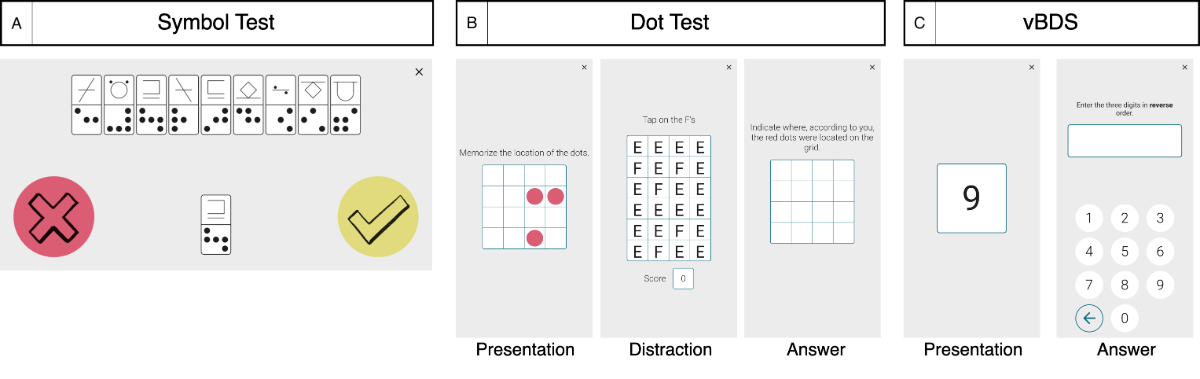
This paper validated a new smartphone app to screen for cognitive deterioration in people with MS. All icognition tests correlated well with their paper-and-pencil equivalents, negatively correlated with the Expanded Disability Status Scale, and showed moderate test-retest reliability. Surprisingly, test performance was comparable between people with MS and healthy participants for all cognitive tests, both in icognition and the gold standard paper-and-pencil tests.
Virtual reality for multiple sclerosi...
IF 9.4
• Q1
publications
Virtual reality for multiple sclerosis rehabilitation
Cochrane Database of Systematic Reviews
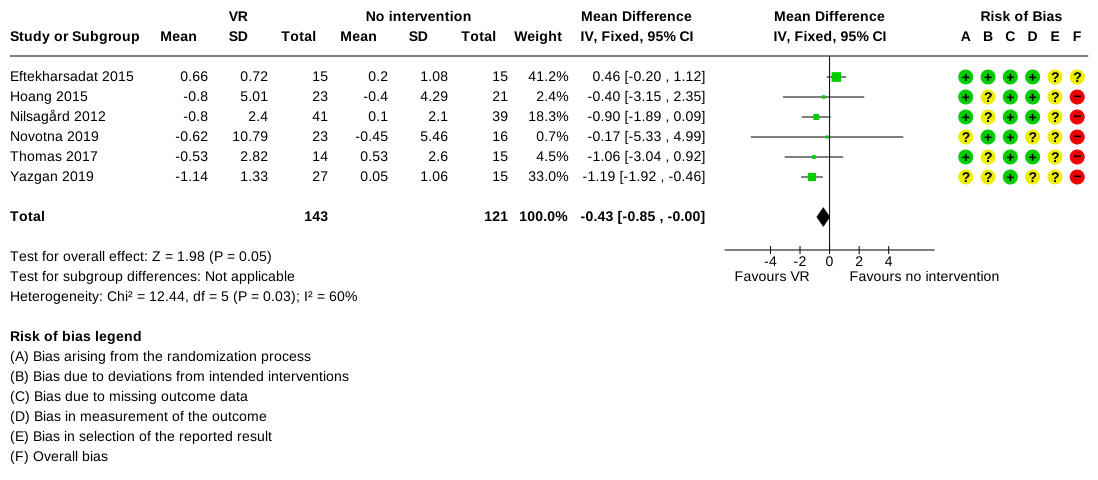
We found evidence that the use of virtual reality may be more effective than no intervention in improving upper limb function and participation and quality of life. Training with virtual reality may be superior to conventional therapy for improving balance and postural control, and participation and quality of life. For the other outcomes, there was no clear difference between virtual reality and conventional therapy. There was insufficient evidence to reach conclusions about the effect of virtual reality on global motor function, activity limitations and adverse events.
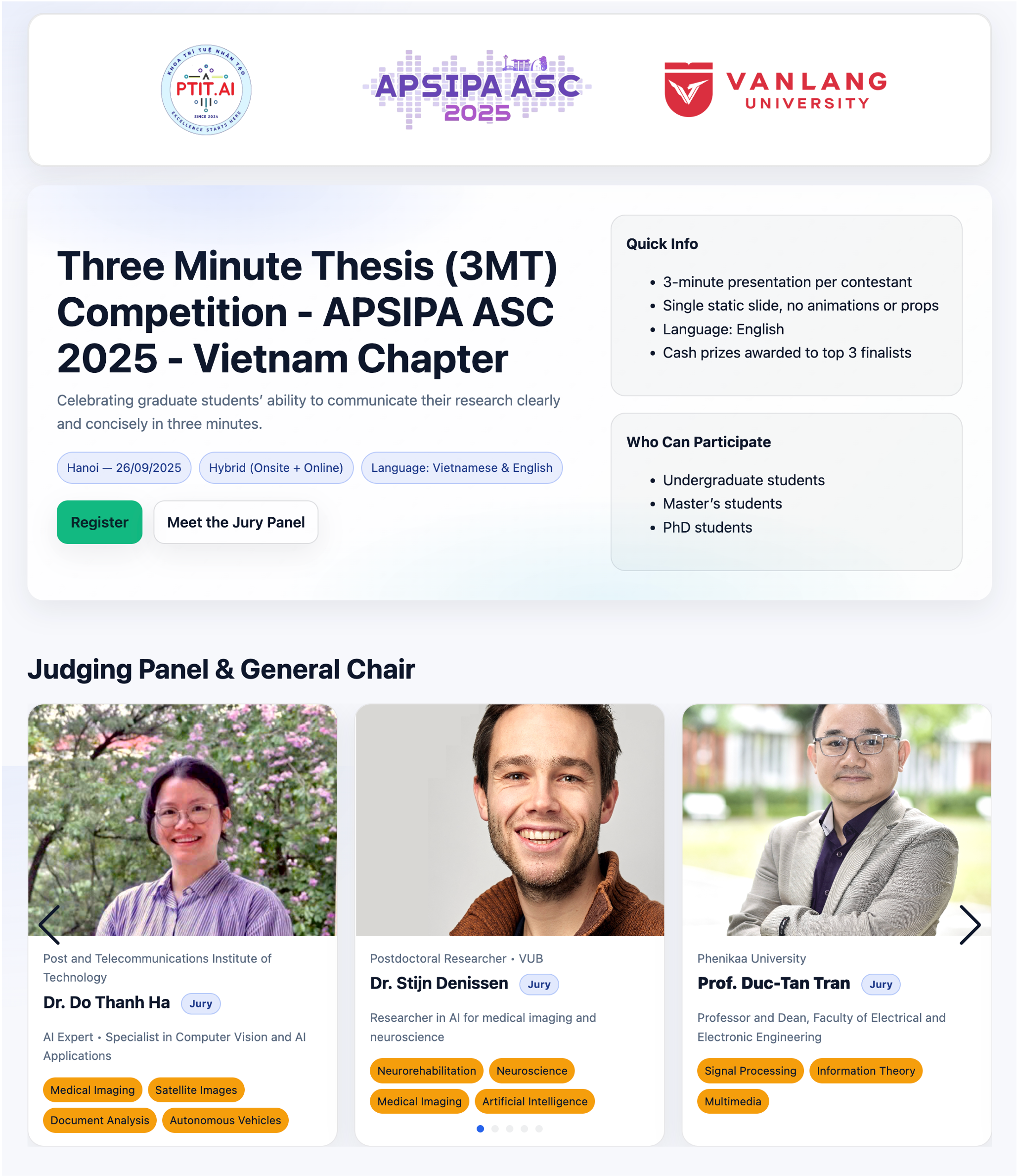
3 minute thesis competition Vietnam
scicomm
3 minute thesis competition Vietnam
Event
Jury member for a national competition on science communication among engineering students.
The challenge: to explain their research in 3 minutes with a single slide.
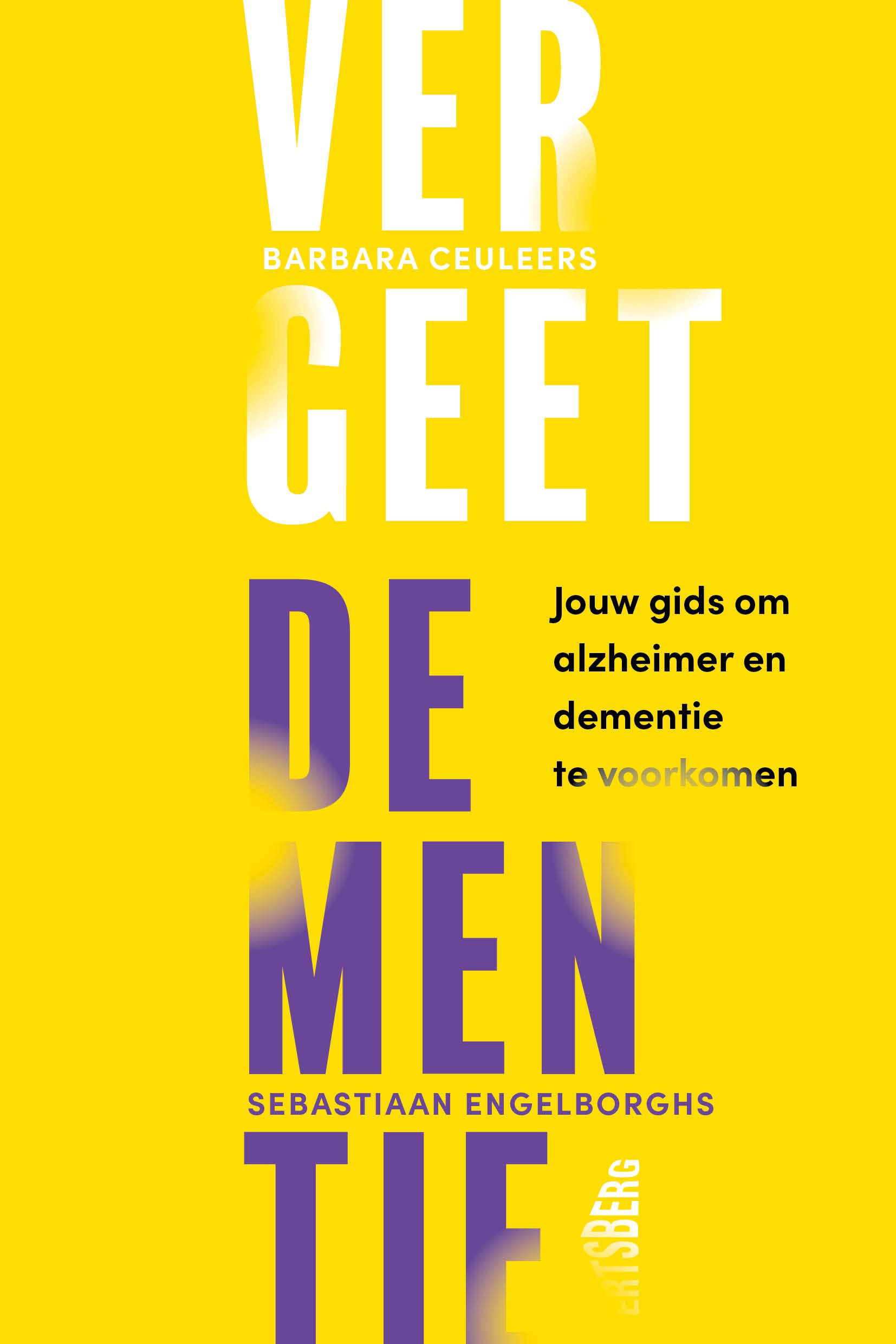
Vergeet Dementie
scicomm
Vergeet Dementie
Event
I contributed to the vulgarising book 'Vergeet Dementie' by authors Ms. Ceuleers and Prof. Engelborghs.
I was interviewed by Ms. Ceuleers about the concept of 'brain age', and provided a layman summary for their book.
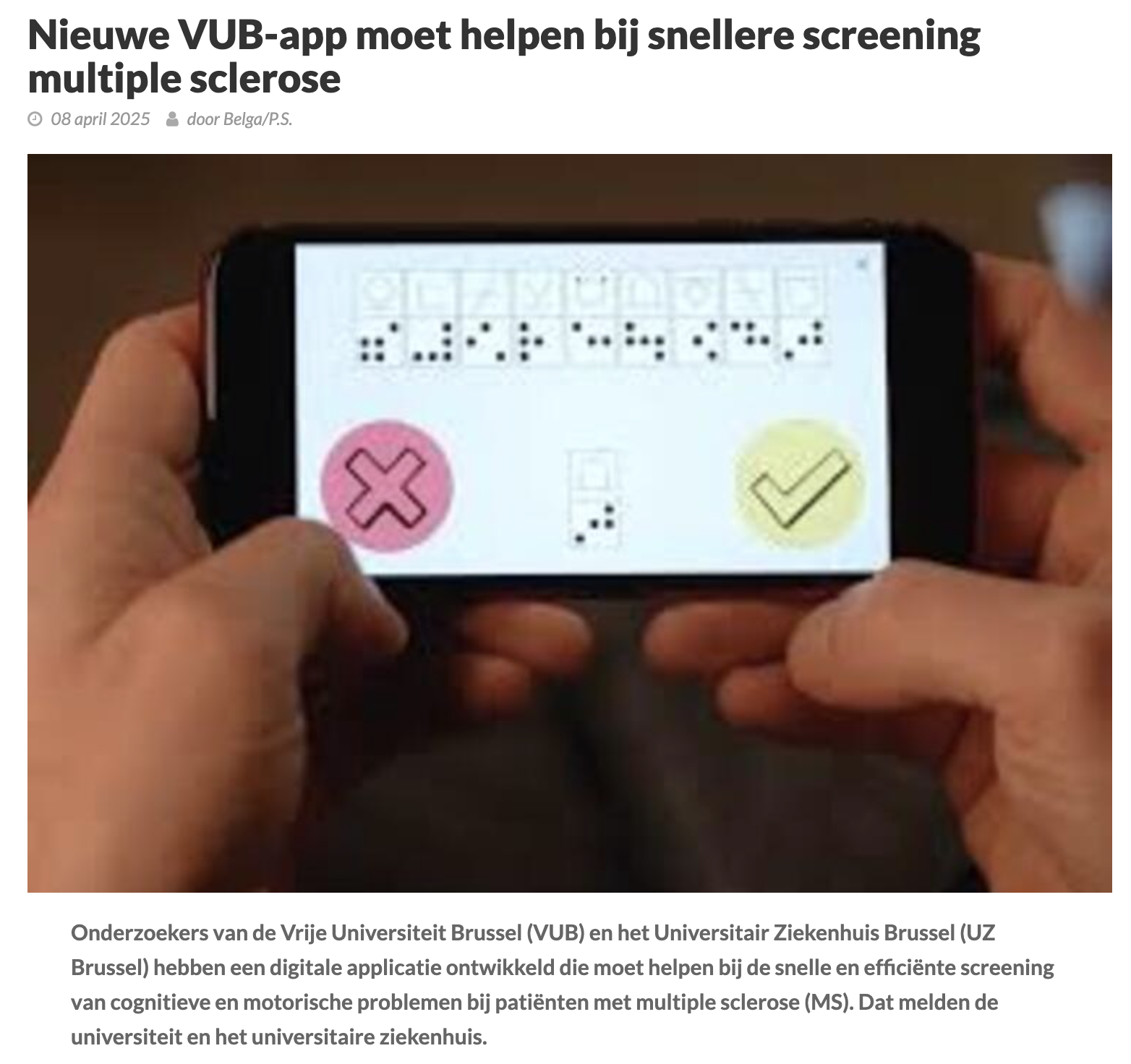
De Specialist
scicomm
De Specialist
Interview
Interview on smartphone symptom screening together with Dr. Delphine Van Laethem (also in other media channels)
Nature Translational Psychiatry
IF 6.2
• Q1
reviewer
Nature Translational Psychiatry
Nature Portfolio
Imaging Neuroscience
reviewer
Imaging Neuroscience
MIT Press
Brain Communications
IF 4.5
• Q1
reviewer
Brain Communications
Oxford University Press
Frontiers in Neurology
IF 2.8
• Q2
reviewer
2024
PhD Medical Sciences
2019-2024
education
PhD Medical Sciences
Vrije Universiteit Brussel
- Title: Structural brain damage and cognition in MS: an AI approach
- Promoters: Prof. Dr. ir. Guy Nagels, Dr. Diana Sima, Prof. Dr. ir. Jeroen Van Schependom
- Personal grant: VLAIO Baekeland (HBC.2019.2579)
- Defense date: 30/01/2024
My PhD investigated three ways to deal with scarce data to investigate the relationship between structural brain MRI and cognitive impairment in people with MS with AI:
1. Designing a smartphone application for cognitive screening in MS (icognition)
2. Leveraging large healthy control databases to predict 'brain age' as in-between step
3. Establishing a real-world federated learning network to train models without sharing data
Location: Brussels
MOSA
conferences
MOSA
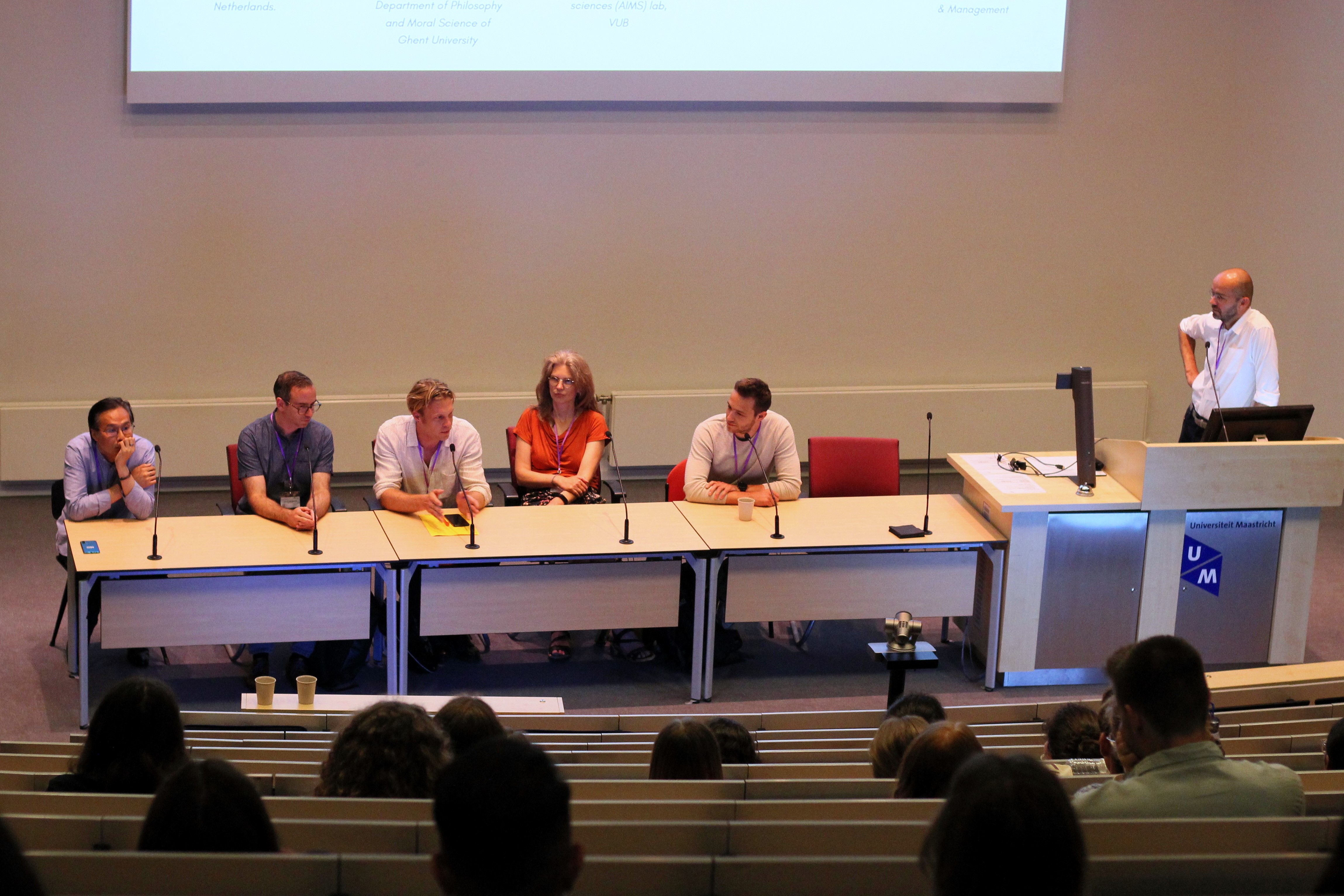
Panel member
Invited as panelist in discussion on 'Big Data and Artificial Intelligence in Biomedicine' in the MOSA conference by students of Maastricht University.
Location: Maastricht (NL)
ECTRIMS
conferences
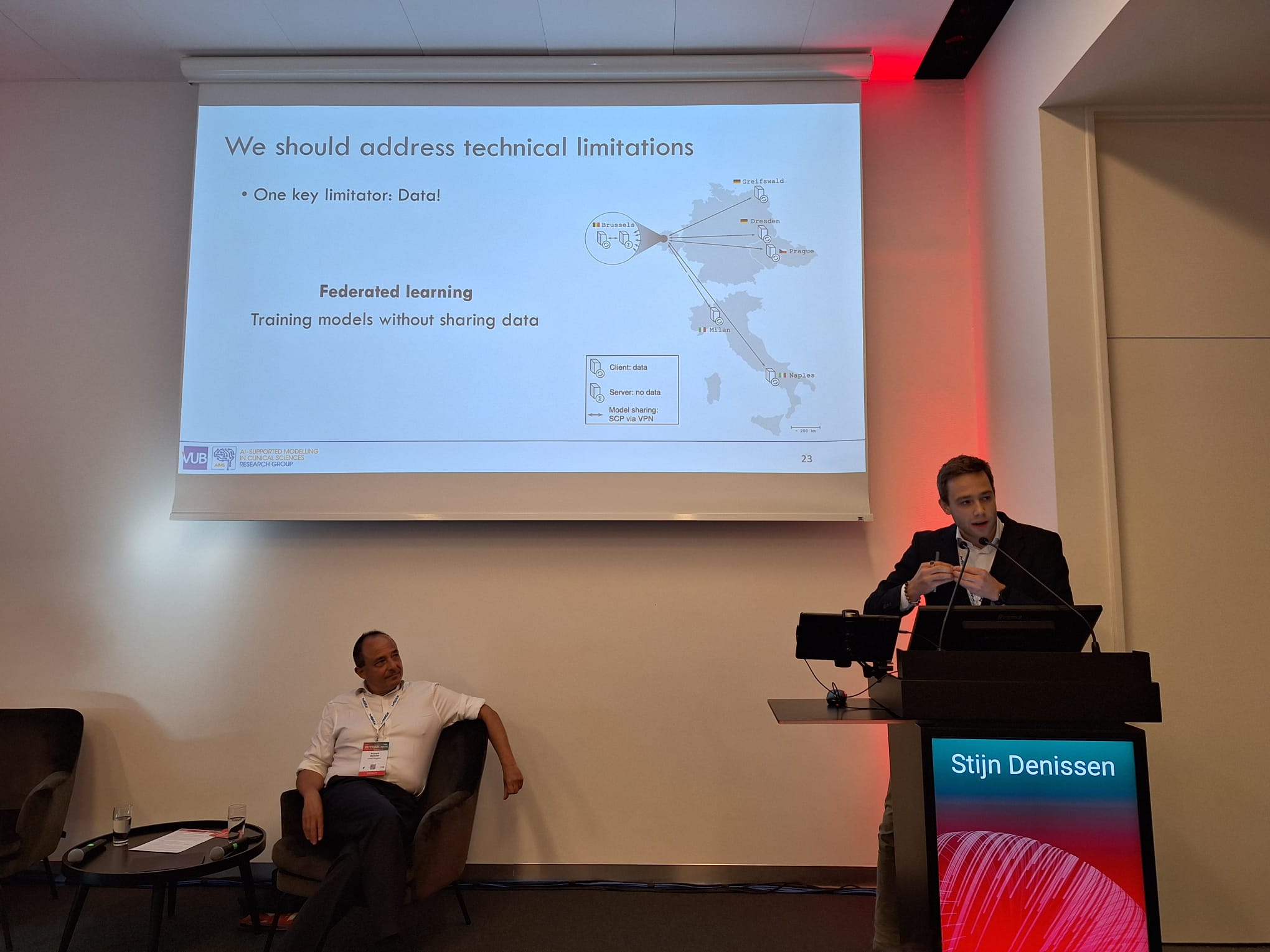
ECTRIMS
What artificial intelligence tools are ready for MS clinical practice
Invited talk for the educational session on 'Clinical implications of digital monitoring and artificial intelligence in MS and related disorders'
Location: Copenhagen (DK)
Brain age as a biomarker for patholog...
IF 7.6
• Q1
publications
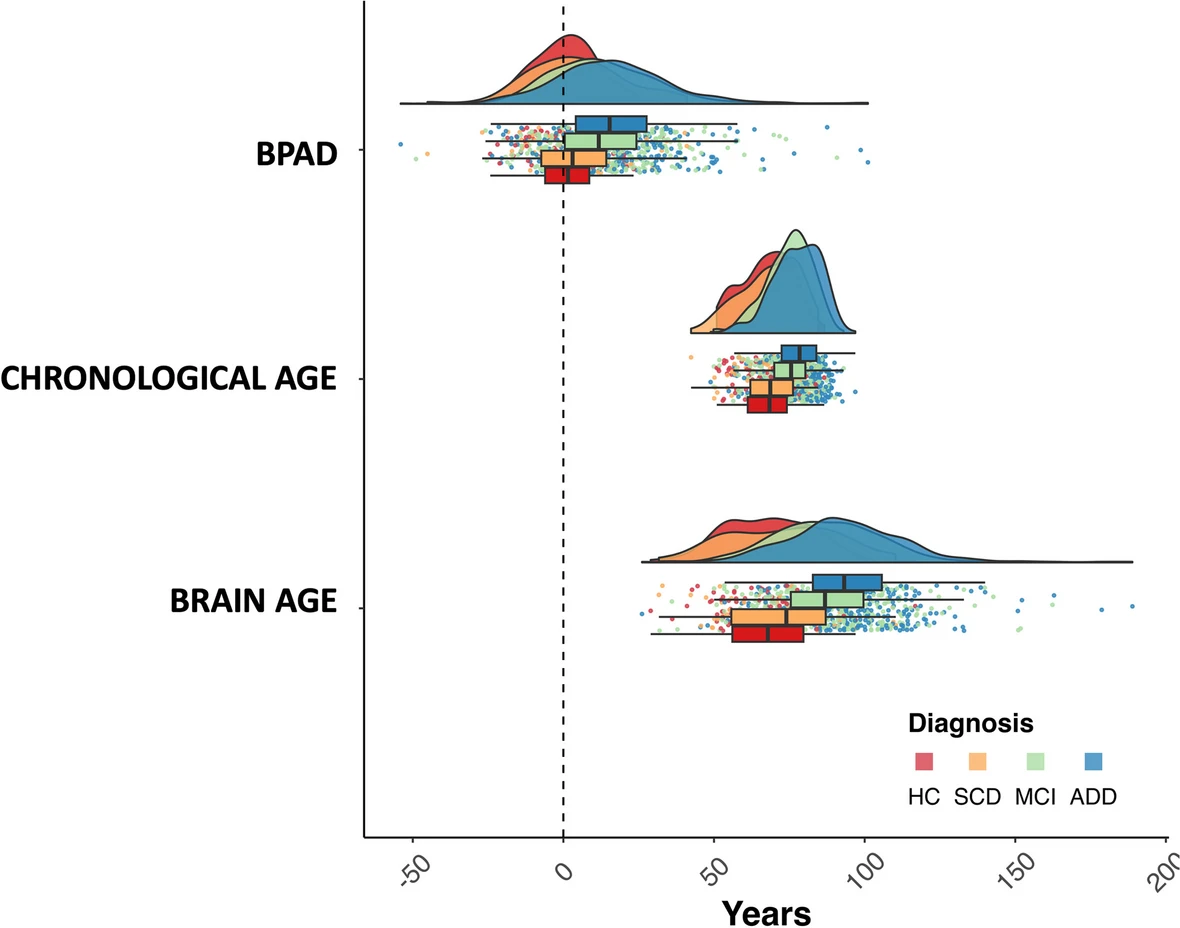
Brain age as a biomarker for pathological versus healthy ageing–a REMEMBER study
Alzheimer's research & therapy
Patients with Mild Cognitive Impairment and Alzheimer's Disease Dementia showed an increased brain age compared to their chronological age. Overall, brain age outperformed BPAD and chronological age in terms of classification accuracy across the AD spectrum. There was a weak-to-moderate correlation between total MMSE score and both brain age and BPAD. BPAD was increased in heavy alcohol drinkers compared to non-/sporadic and moderate drinkers.
The Finger Dexterity Test: Validation...
IF 5.0
• Q1
publications
The Finger Dexterity Test: Validation study of a smartphone-based manual dexterity assessment
Multiple Sclerosis Journal
The Finger Dexterity Test significantly correlated with the gold-standard Nine Hole Peg Test (9HPT). MS subjects had significantly higher FDT scores than healthy subjects, which was not the case for the 9HPT. A significant correlation with age, Expanded Disability Status Scale (EDSS), and disease duration for the non-dominant hand was observed. There was a good test–retest reliability in healthy subjects.
Junior postdoctoral fellow FWO
2024-Ongoing
professional
Junior postdoctoral fellow FWO
AIMS lab, VUB
Postdoctoral researcher funded by a personal junior postdoctoral fellowship.
Title: Leveraging recent advances in explainable AI to decode cognitive functioning from T1/FLAIR weighted MR images in MS - An international federated learning approach (12A6U25N).
More info: See 'Awards' tab.
LACTRIMS interview
scicomm
LACTRIMS interview
Interview
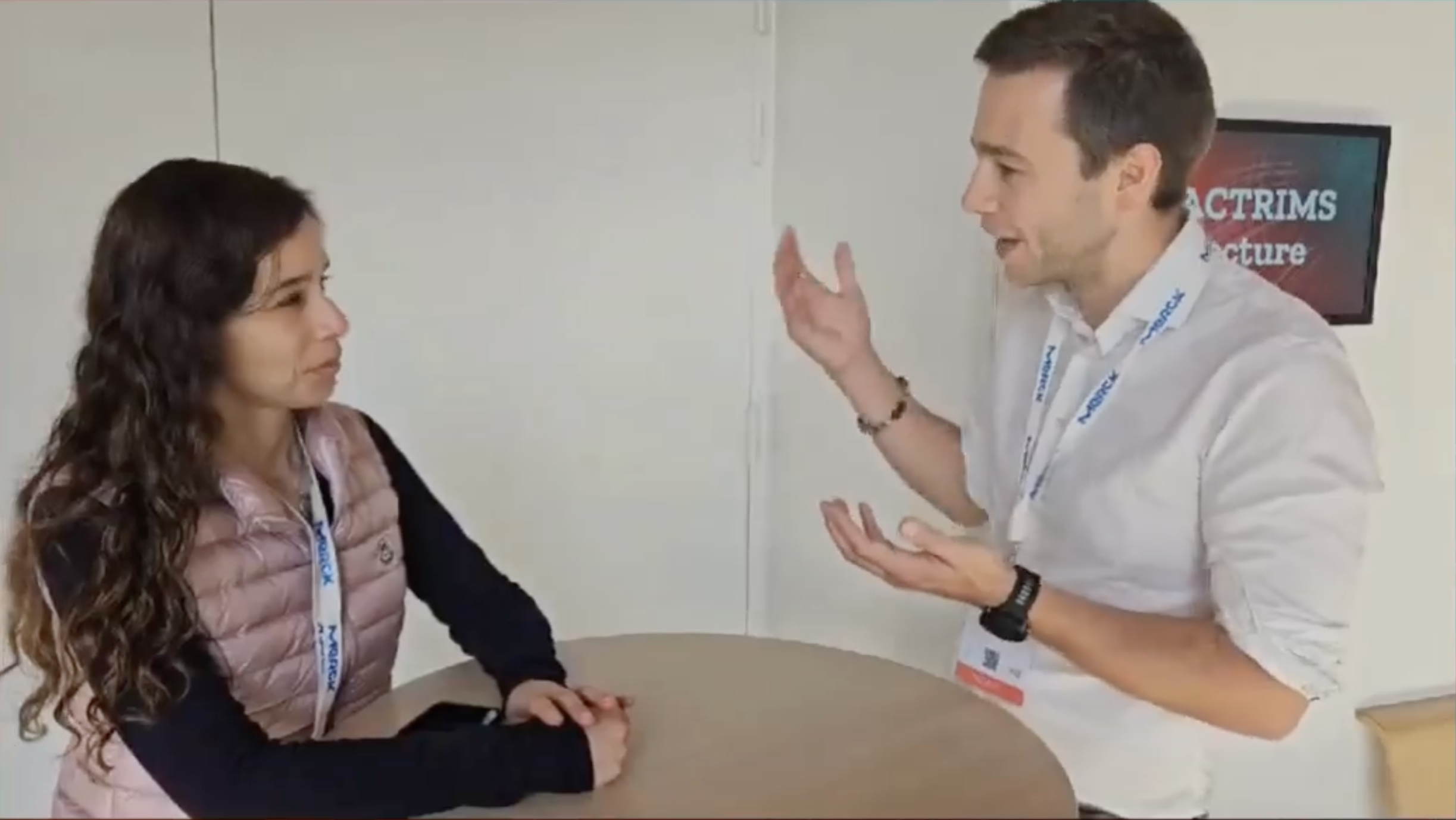
Interview by Dr. Lorna Galleguillos on my talk entitled 'What artificial intelligence tools are ready for MS clinical practice' during the educational session on 'Clinical implications of digital monitoring and artificial intelligence in MS and related disorders' at ECTRIMS 2024 in Copenhagen
Award ceremony 'PhD of The Year'
scicomm
Award ceremony 'PhD of The Year'
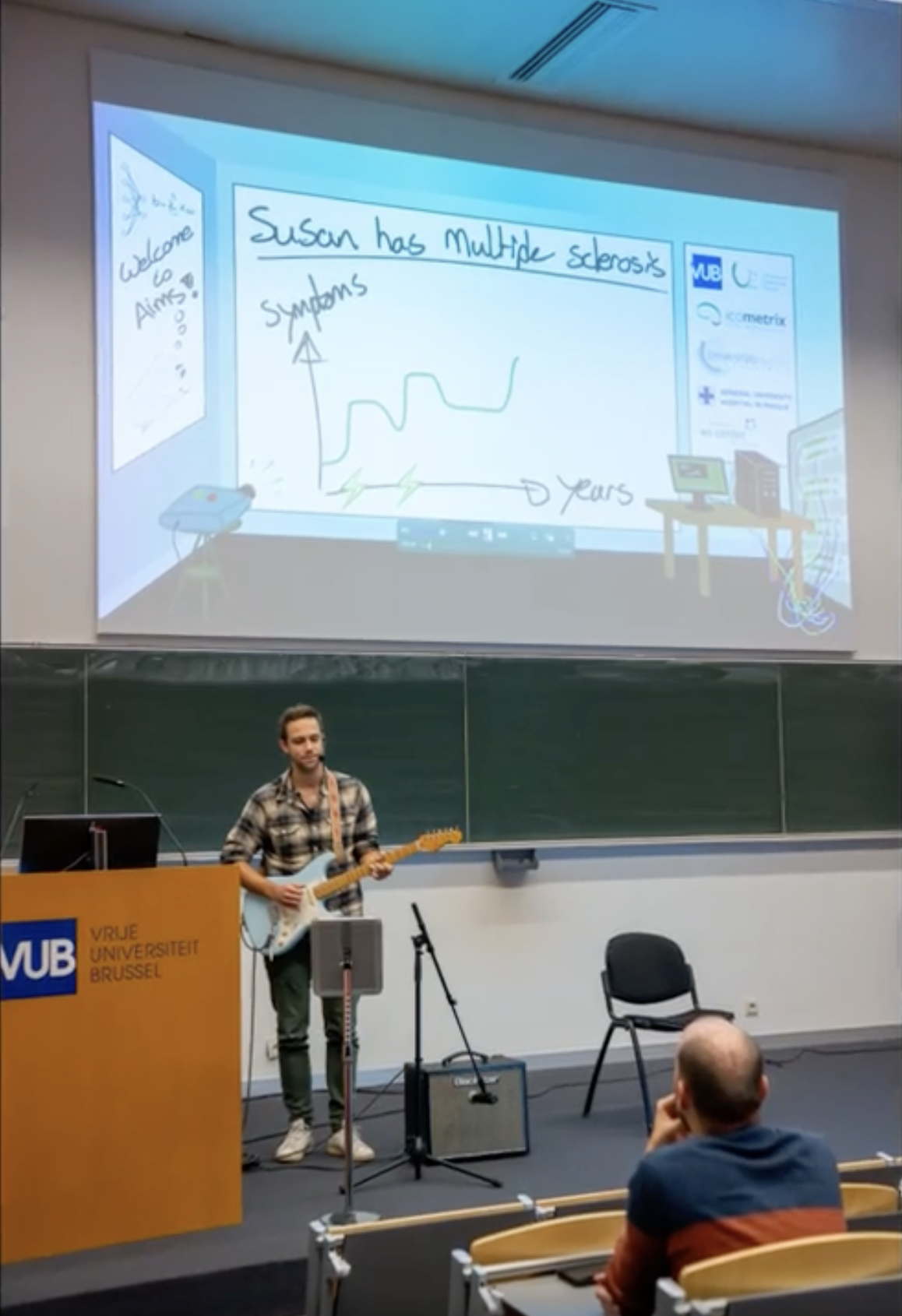
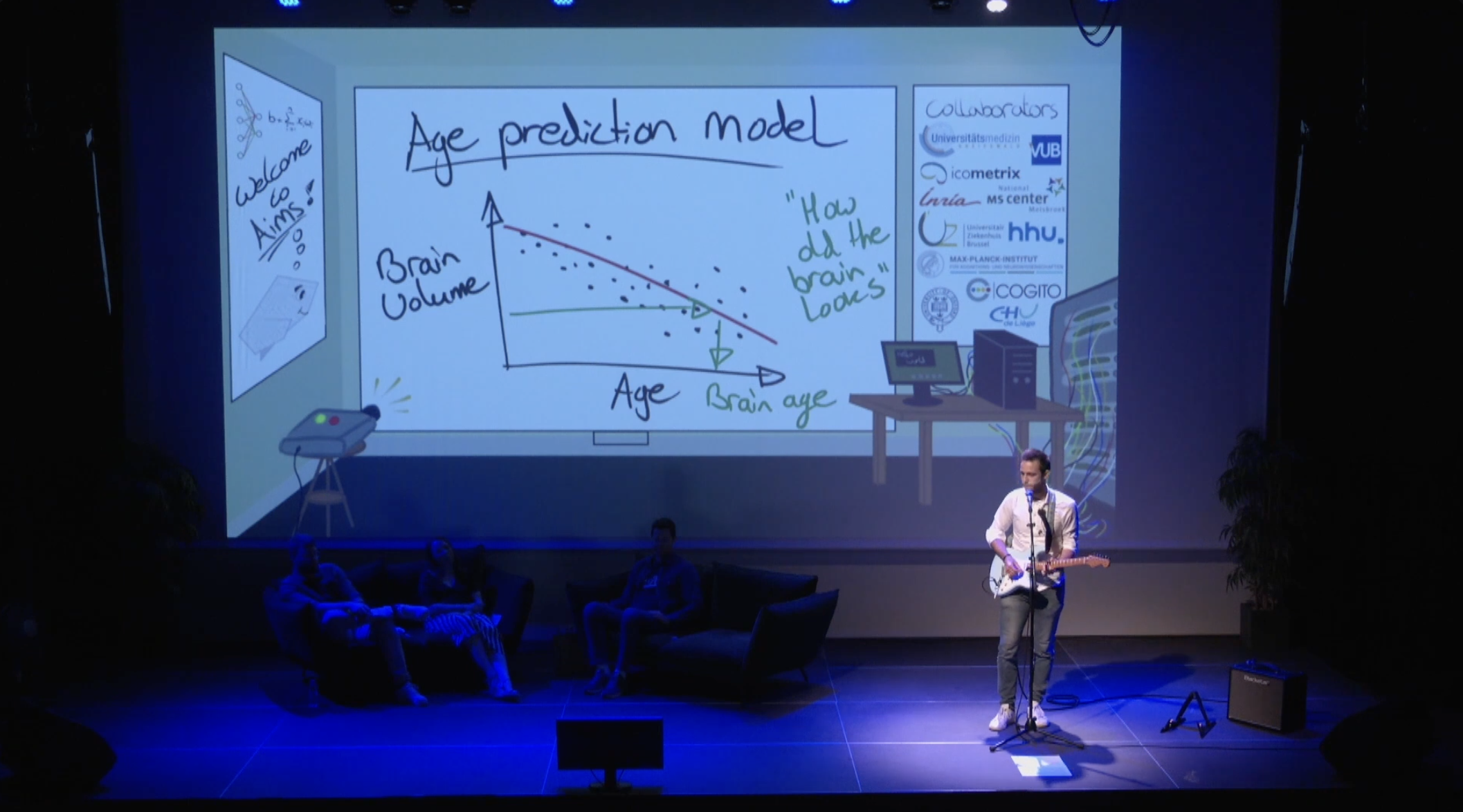
Live Performance
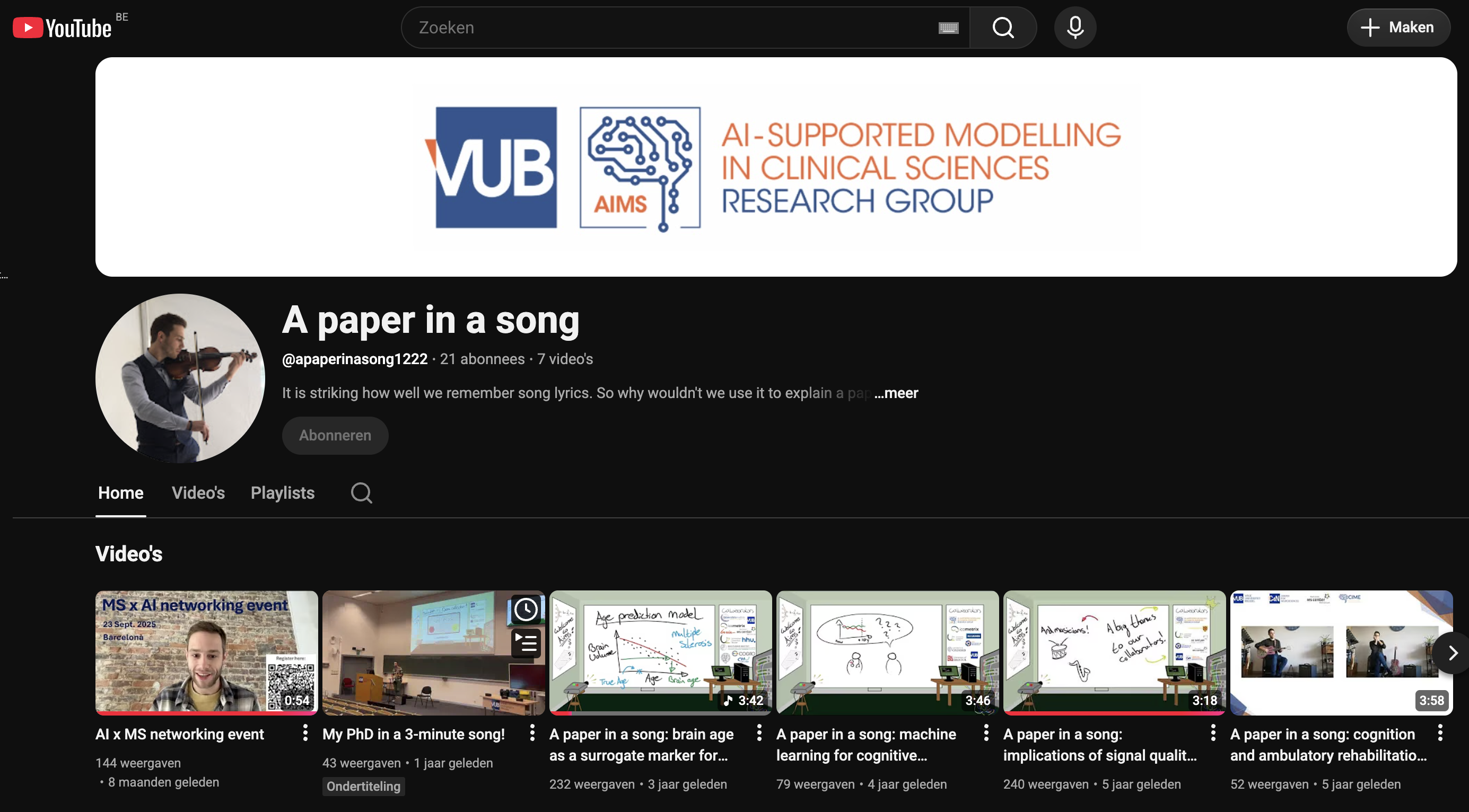
Live performance of my PhD in a 3-minute song, in synchrony with my 'a paper in a song' initiative.
Het Nieuwsblad
scicomm
FWO Senior project
awards
FWO Senior project
Fonds Wetenschappelijk Onderzoek
This FWO senior project (G0A2Q25N) was awarded to my promoter Prof. Guy Nagels. The concepts of this project are an extension of the academic work of my PhD.
Role: Project design, writing + writing coordination
Amount: € 564.000
PhD Thesis of the Year
awards
PhD Thesis of the Year
VUB UMCOR
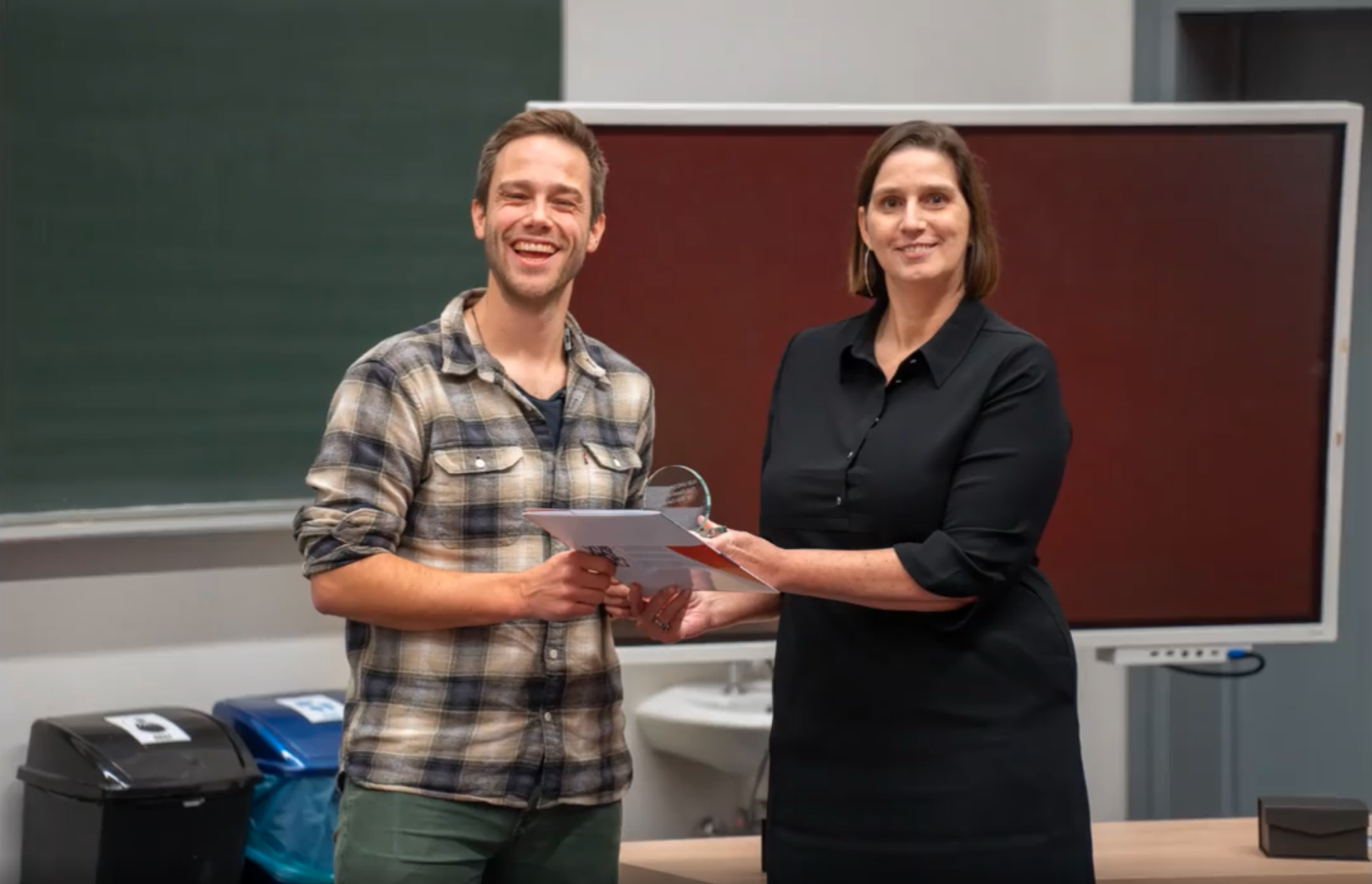
In 2024, I was awarded the 'PhD Thesis of the Year' award from the faculty of Medicine and Pharmacy of VUB, together with Dr. Marius Regin. During the award ceremony, I explained my PhD in a 3-minute song, in line with my 'a paper in a song' initiative. The award was announced by Prof. Karine Breckpot.
Amount: € 600
FWO junior postdoc
awards
FWO junior postdoc
Fonds Wetenschappelijk onderzoek
I obtained this competitive junior post-doctoral fellowship from the first round, covering three years of postdoctoral research at the AIMS lab at VUB (12A6U25N). The project is entitled: 'Leveraging recent advances in explainable AI to decode cognitive functioning from T1/FLAIR weighted MR images in MS - An international federated learning approach'.
Amount: ± € 300.000
Louise Van de Looverbosch
mentoring
Louise Van de Looverbosch
Bio-engineering Science
Topic: Age prediction based on vaginal microbiome profiles
Role: Daily Supervisor
Type: Master
Fahimeh Heydarzadeh
mentoring
Fahimeh Heydarzadeh
Applied Computer Science
Topic: Optimisation of a federated learning architecture for brainage
Role: Daily Supervisor
Type: Master
Alvaro Javier Vargas Guerrero
mentoring
Alvaro Javier Vargas Guerrero
Applied Computer Science
Topic: Federated learning in neuroimaging: pioneering predictive models for brain age estimation
Role: Daily Supervisor
Type: Master
2023
General Faculty Hospital, Prague (CZ)
research_stays
General Faculty Hospital, Prague (CZ)
Research Stay
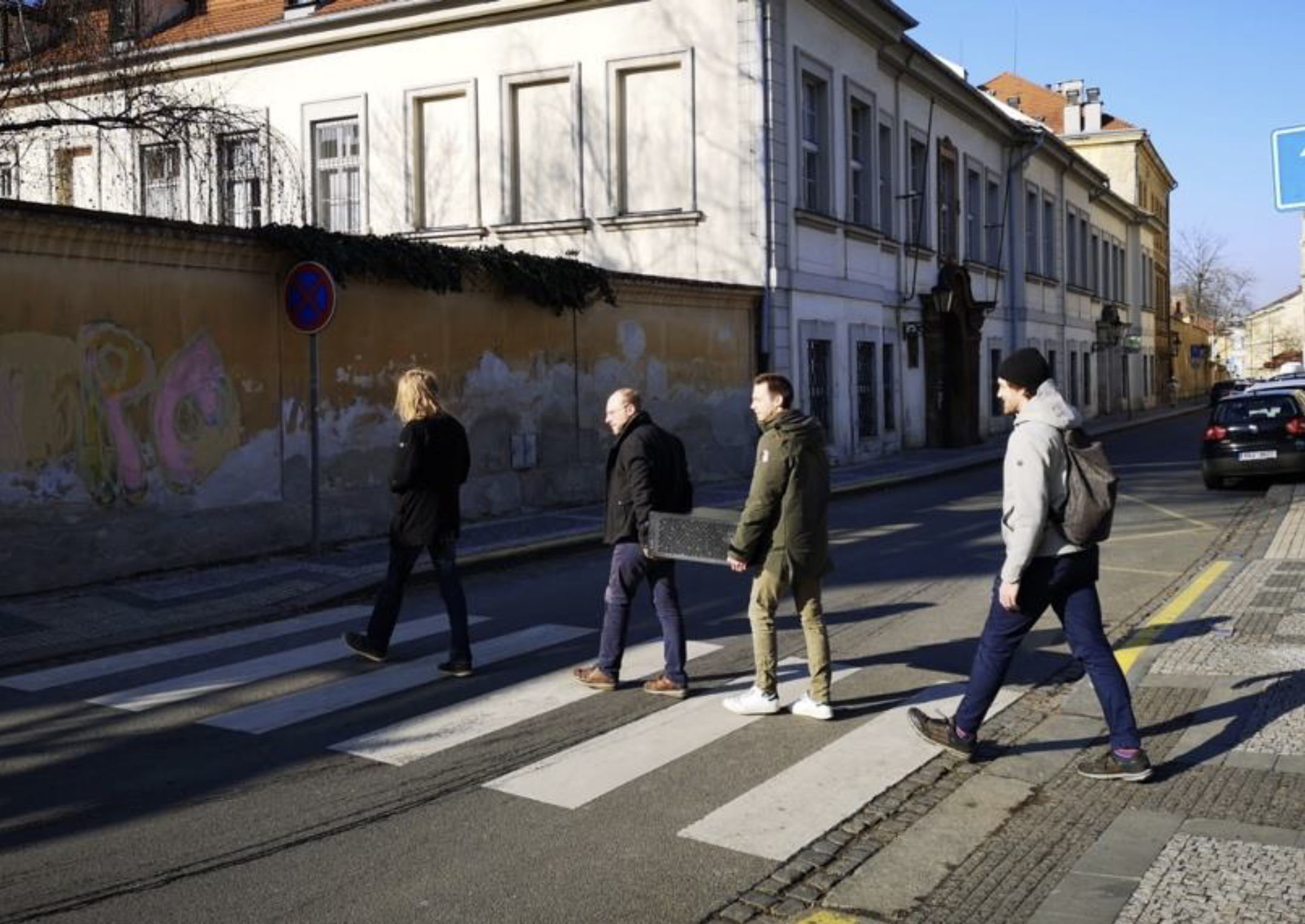
I went to Prague for 3 months to set up the federated learning (FL) network that formed a key chapter in my PhD, and the basis for my junior FWO fellowship.
In the figure, we are delivering an FL computer to the radiology department of the First Faculty of Medicine.
Location: Prague (CZ)
Duration: 3 months
Medical diagnosis and a new kid in to...
publications
Medical diagnosis and a new kid in town: AI
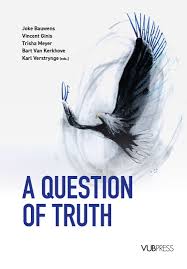
Book chapter in VUB book 'A question of truth'
This paper philosophises about AI in the context of the medical diagnosis.
Trunk training for improving activiti...
IF 7.9
• Q1
publications
Trunk training for improving activities in people with stroke
Stroke
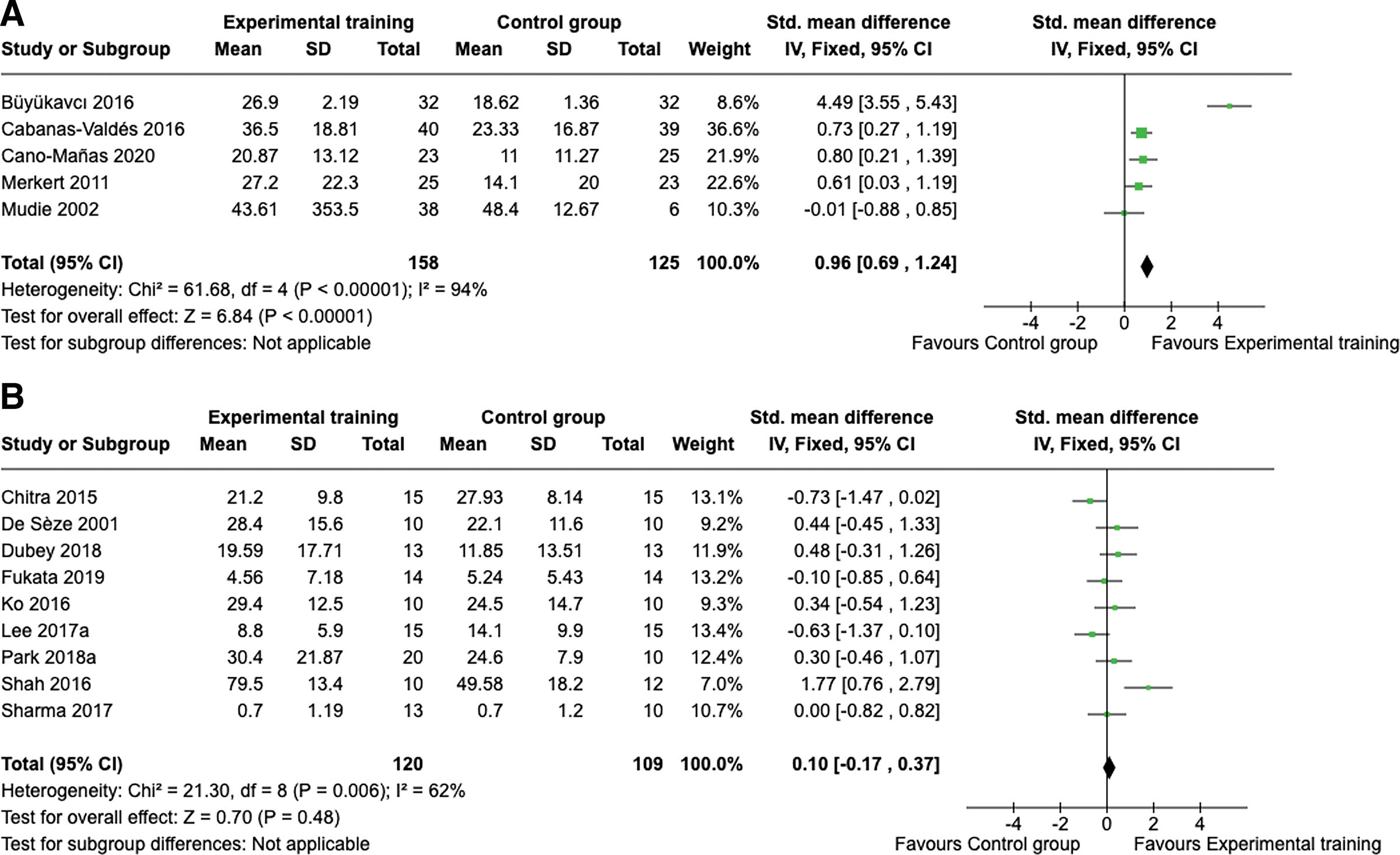
This is a summary in Stroke's 'Cochrane Corner' of the eponymous Cochrane review. This review suggests that trunk training improves basic ADL, trunk function, standing balance, walking ability, upper and lower limb function, and quality of life.
Trunk training for improving activiti...
IF 8.8
• Q1
publications
Trunk training for improving activities in people with stroke
Cochrane Database of Systematic Reviews
There is evidence to suggest that trunk training as part of rehabilitation improves ADL, trunk function, standing balance, walking ability, upper and lower limb function, and quality of life in people aMer stroke. Core-stability, selective-, and unstable-trunk training were the trunk training approaches mostly applied in the included trials.
VUB PhD day
scicomm
Book presentation 'A question of truth'
scicomm
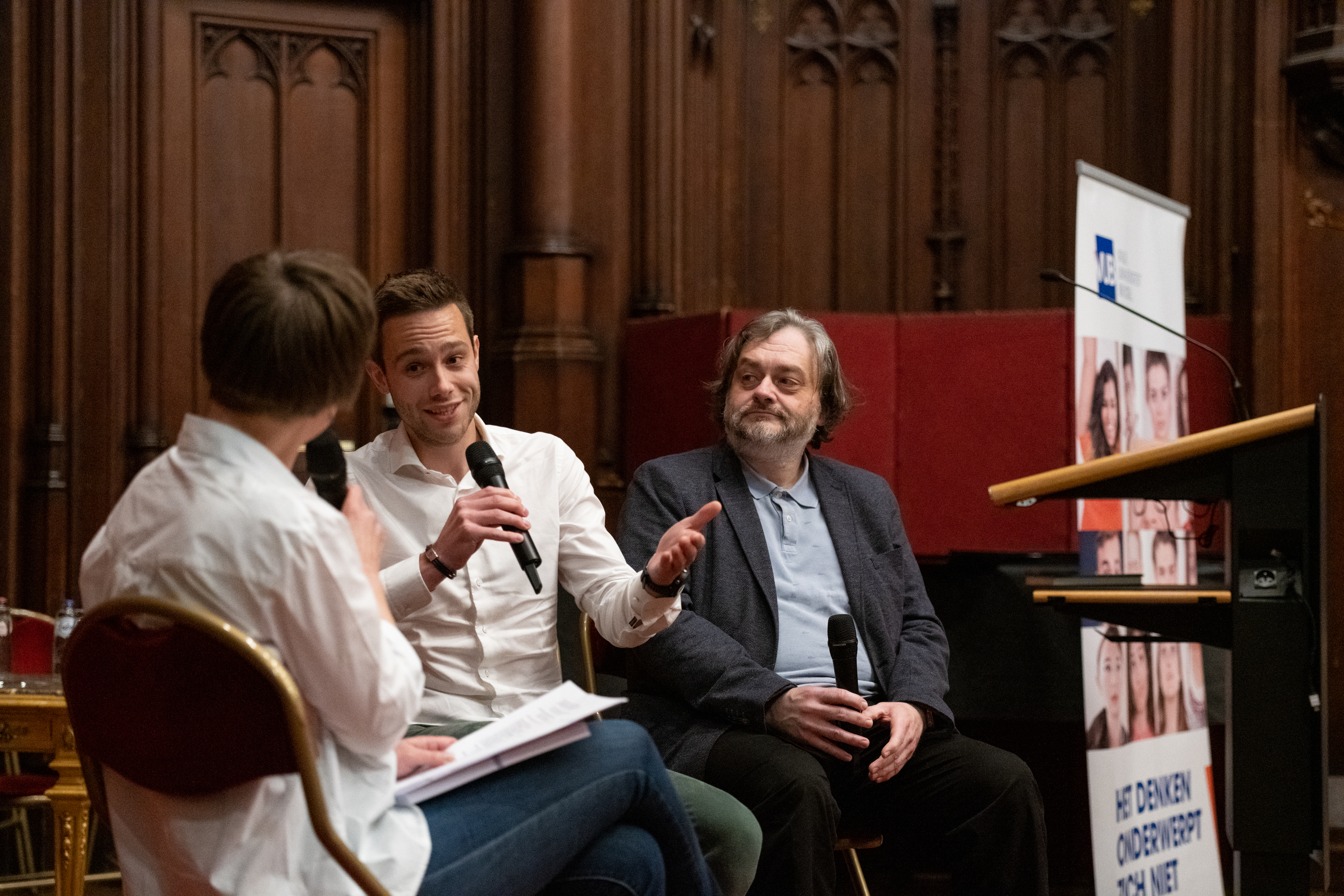
Book presentation 'A question of truth'
Interview
Interview in the Brussels city hall together with my promoter Prof. Guy Nagels. We discussed our chapter contribution on medical diagnosis and AI.
Travel grant
awards
Travel grant
ECTRIMS conference
This travel grant was awarded after submission of the abstract entitled 'Transfer learning on structural brain age models to decode cognition in MS: a federated learning approach' to the 2023 edition of ECTRIMS.
Amount: € 400
André Vital Serafim Silva
mentoring
André Vital Serafim Silva
Applied Computer Science
Topic: Deep Learning for Brain Age Prediction from T1-Weighted Magnetic Resonance Images
Role: Daily Supervisor
Type: Master
2022
IMSCOGS
conferences
IMSCOGS
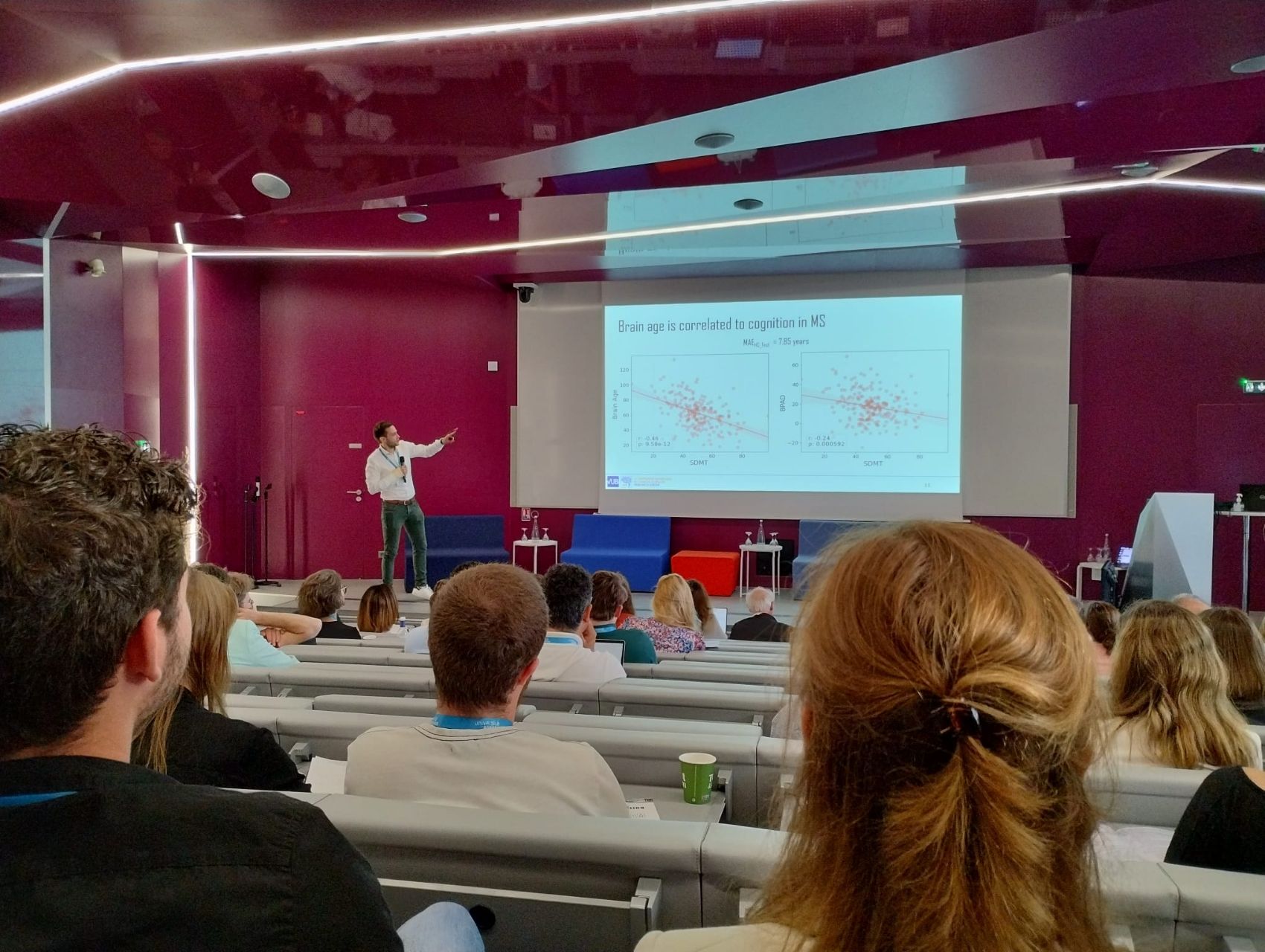
Brain age as a surrogate marker for IPS in MS
Talk about our work on brain age as a cognitive surrogate marker (cfr publications)
Location: Bordeaux (FR)
New therapeutic approaches to disorde...
2019-2022
teaching
New therapeutic approaches to disorders of the CNS
VUB
Yearly guest lecture on the progress of my PhD research
Role: Guest lecturer
Radial diffusivity reflects general d...
IF 4.6
• Q2
publications
Radial diffusivity reflects general decline rather than specific cognitive deterioration in multiple sclerosis
Scientific Reports
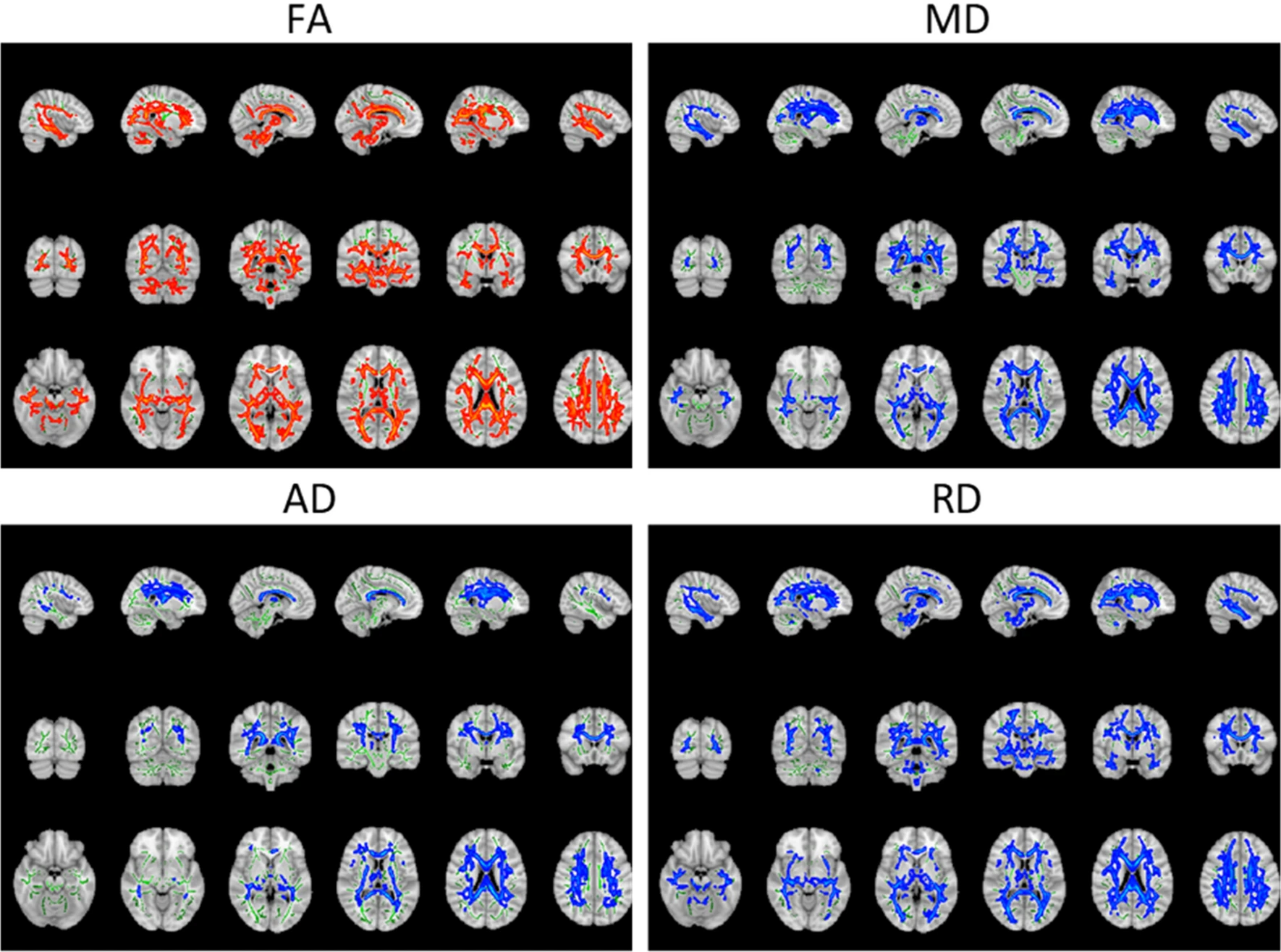
Radial diffusivity is strongly related to cognitive impairment in MS. However, the strong associations of radial diffusivity with both cognition and whole brain lesion volume suggest that it is a surrogate marker for general decline in MS, rather than a marker for specific cognitive functions.
Artificial intelligence will change M...
IF 5.8
• Q1
publications
Artificial intelligence will change MS care within the next 10 years: Yes
Multiple Sclerosis Journal
This paper argues that AI will change MS care within the next 10 years. It is part of a 'controversies' series, together with an article discussing the 'No' and the 'Commentary'.
Brain age as a surrogate marker for c...
IF 5.1
• Q1
publications
Brain age as a surrogate marker for cognitive performance in multiple sclerosis
European journal of neurology
In this paper, we showed with an interpretable linear brain age model that people with MS have brains that look older than their calendar age. We moreover showed that higher overestimation is correlated with worse information processing speed.
Award ceremony Flemish Thesis Prize (...
scicomm
Award ceremony Flemish Thesis Prize (SciMingo)
Live Performance
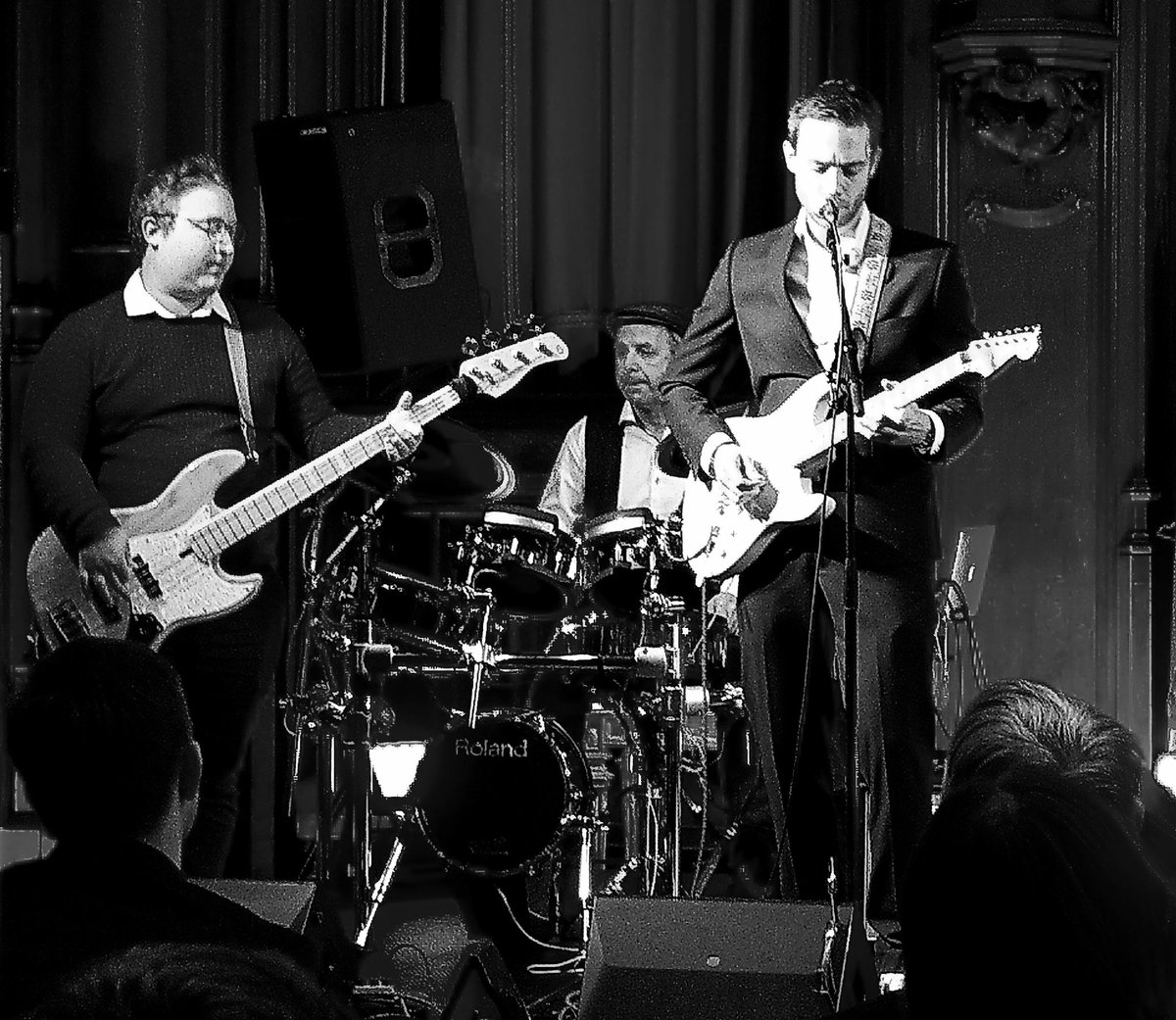
Live performance 'A paper in a song'
KNGF Fysiopraxis
scicomm
KNGF Fysiopraxis
Article
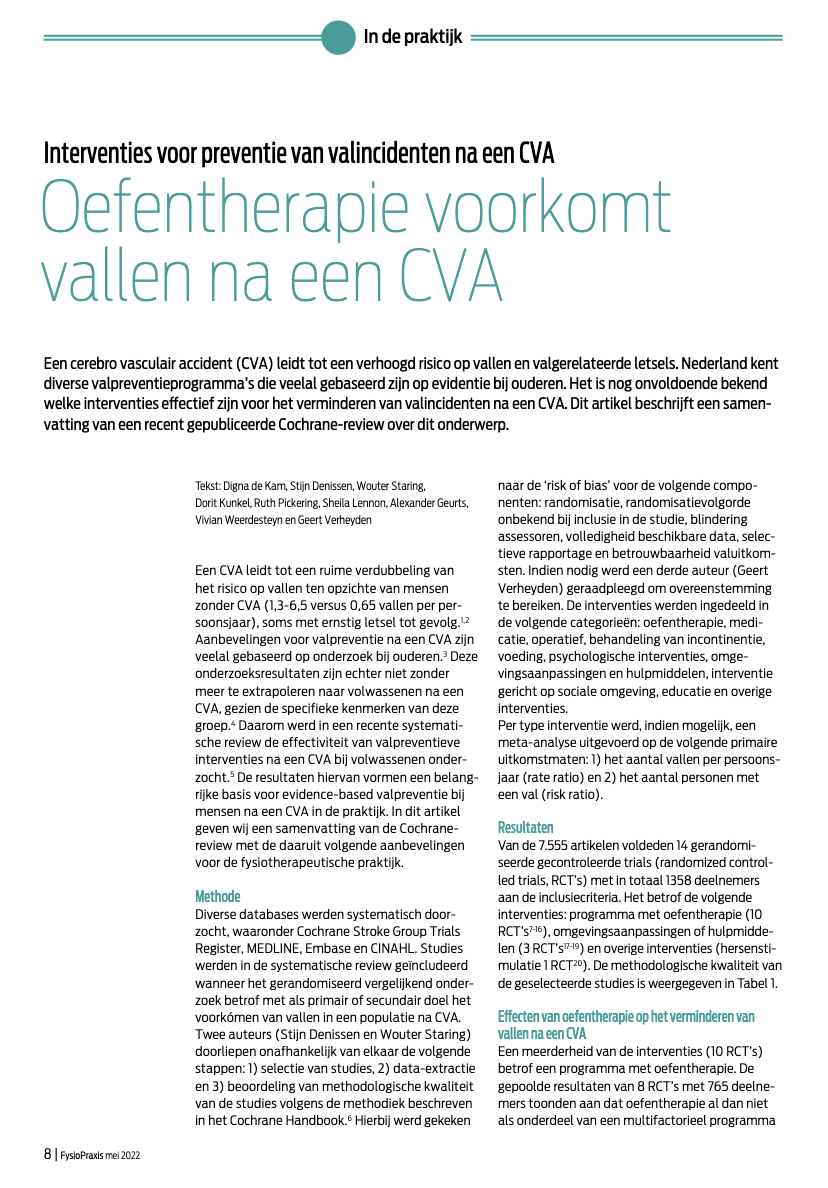
Vulgarising article about our Cochrane review on interventions to prevent falls post-stroke.
Title: 'Oefentherapie voorkomt vallen na een CVA'.
FWO Travel grant
awards
FWO Travel grant
FWO
This travel grant covered my research stay for 3 months in Prague, Czechia in 2023 to set up the federated learning network (V412023N).
Role: Awardee
Amount: € 5.808
Robin Lisa Van den Bosch
mentoring
Robin Lisa Van den Bosch
Applied Computer Science
Topic: Does deep learning on imaging data enhance accuracy of brain age predictions?
Role: Daily Supervisor
Type: Master
Viktor-Jan De Deken
mentoring
Viktor-Jan De Deken
Biomedical Science
Topic: Evolutionary random subspace forest for brain age prediction in multiple sclerosis
Role: Daily Supervisor
Type: Master
Multiple Sclerosis and Related Disorders
IF 4.0
• Q2
reviewer
Multiple Sclerosis and Related Disorders
Elsevier
2021
ACTRIMS
conferences
ACTRIMS
Brain age in MS: An explainable principal component of brain MRI and potential sensitive cognitive biomarker
Recorded virtual talk (due to COVID-19) at the NAIMS Symposium on 'Big Data and Machine Learning with MRI in Multiple Sclerosis'
Location: Virtual
OpenMR conference
2021-2021
community_engagement
OpenMR conference
Organiser of the 2021 edition.
I co-organised a conference for open science in MRI research (OpenMR). Besides securing a 1000 euro pharma grant, I moderated a session, prepared an interactive Python workshop for working with neuroimaging data, and presented my 'a paper in a song' initiative.
Location: Virtual
Role: Organiser of the 2021 edition.
Towards multimodal machine learning p...
IF 3.508
• Q2
publications
Towards multimodal machine learning prediction of individual cognitive evolution in multiple sclerosis
Journal of personalized medicine
This review aims to boost the field of machine learning for cognitive prognosis in MS by means of an introduction to machine learning and its pitfalls, an overview of important elements for study design, and an overview of the current literature on cognitive prognosis in MS using machine learning. Furthermore, the review discusses new trends in the field of machine learning that might be adopted for future studies in the field.
Signal quality as Achilles’ heel of g...
IF 4.997
• Q2
publications
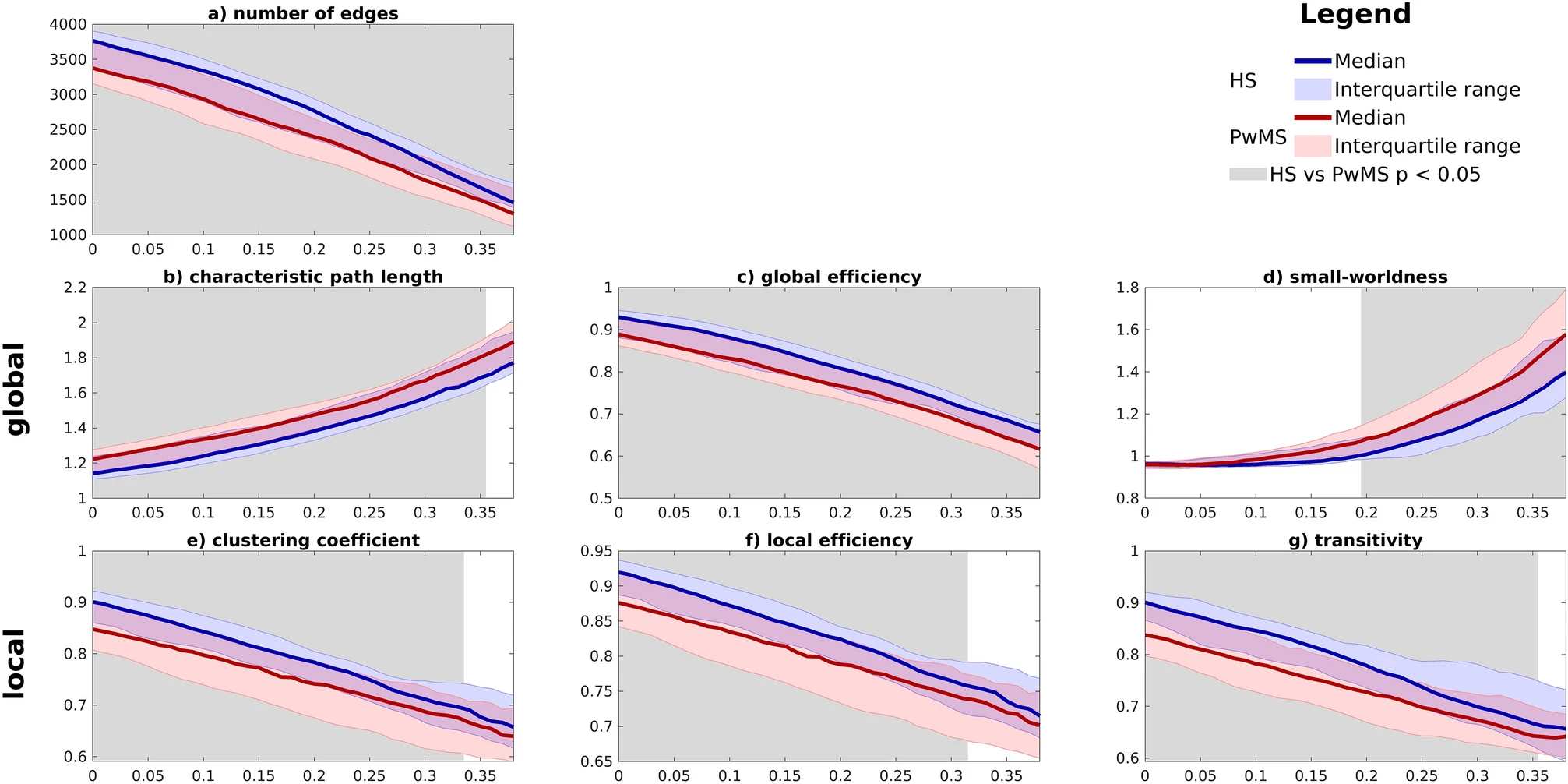
Signal quality as Achilles’ heel of graph theory in functional magnetic resonance imaging in multiple sclerosis
Scientific Reports
The results of this paper suggest that differences in network parameters between MS and HS in fMRI do not reflect a functional reorganisation of the brain, but rather occur due to reduced fMRI signal quality. Correlations found with cognitive variables might therefore be false positives, and should be critically assessed.
Children's university VUB
scicomm
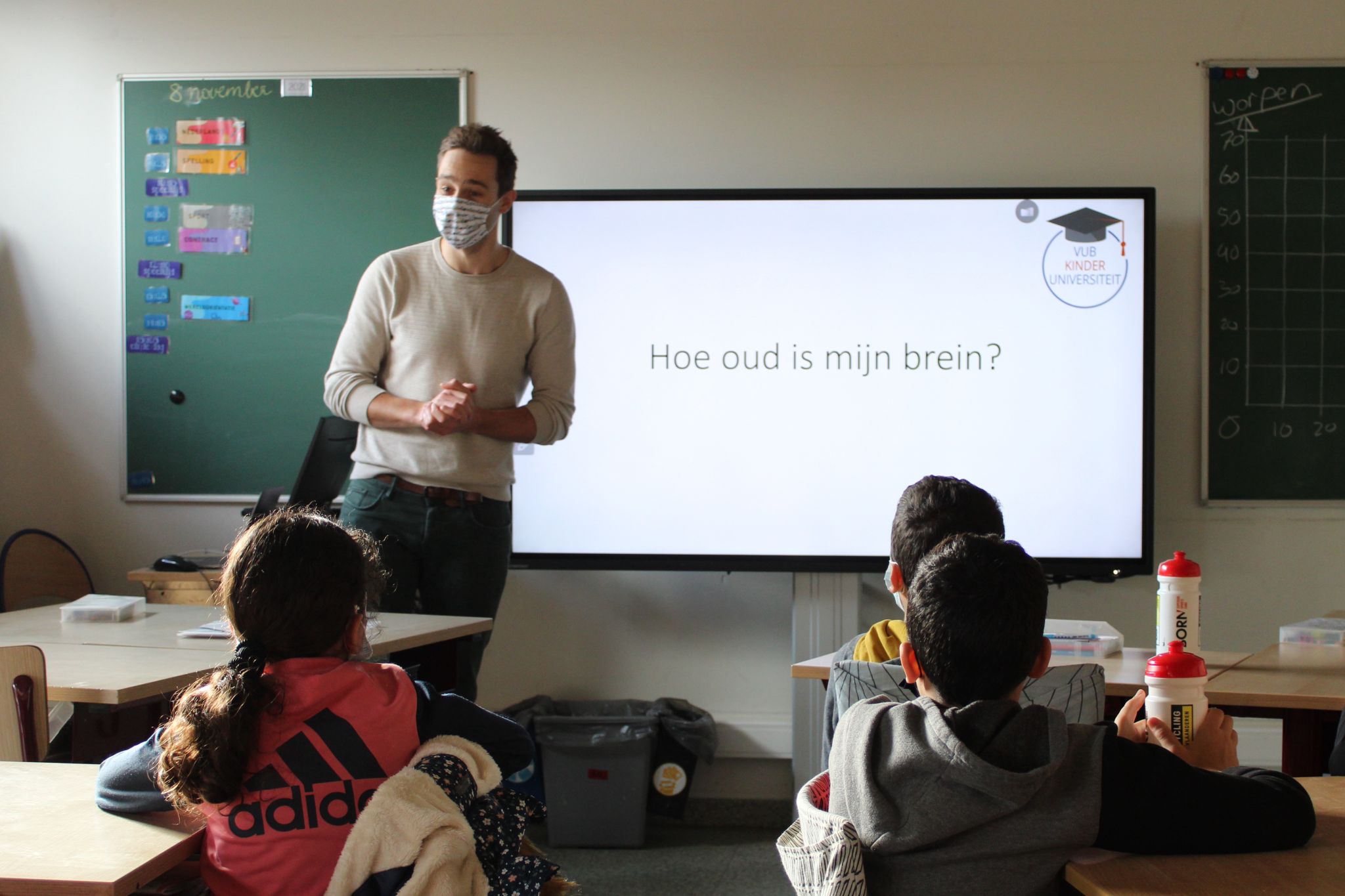
Children's university VUB
Event
Title of the workshop I presented to primary school childeren: 'How old is my brain?'.
In this workshop, I converted my PhD work in a comprehensible framework for young children.
Together, we explored how AI can measure brain structures, and how we can use it to predict the age of my brain.
YouTube channel
scicomm
Artsenkrant
scicomm
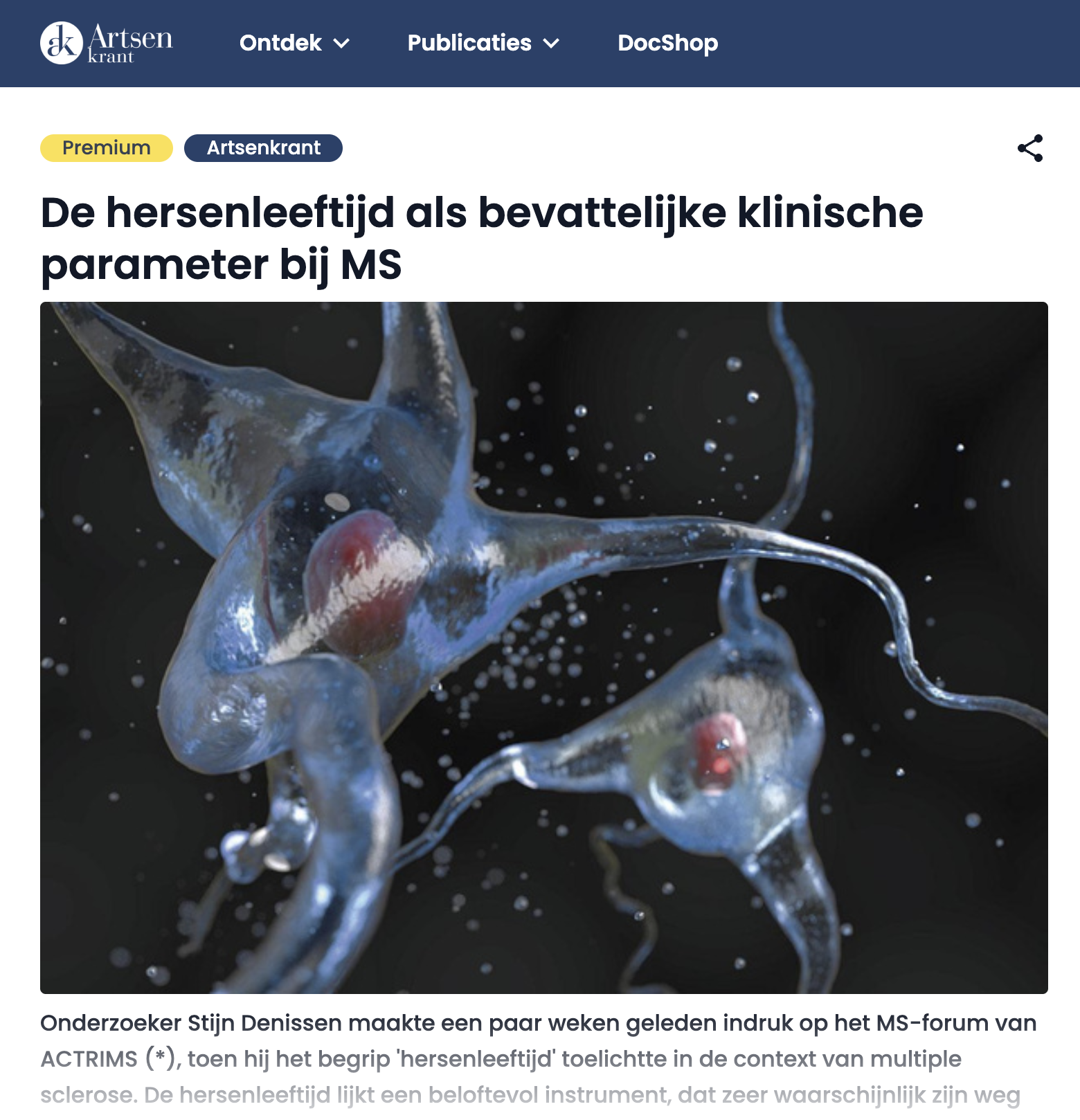
Artsenkrant
Interview
Interview about ACTRIMS 2021 presentation on brain age.
Wetenschap Brussel + EOS (Cognition)
scicomm
Wetenschap Brussel + EOS (Cognition)
Article
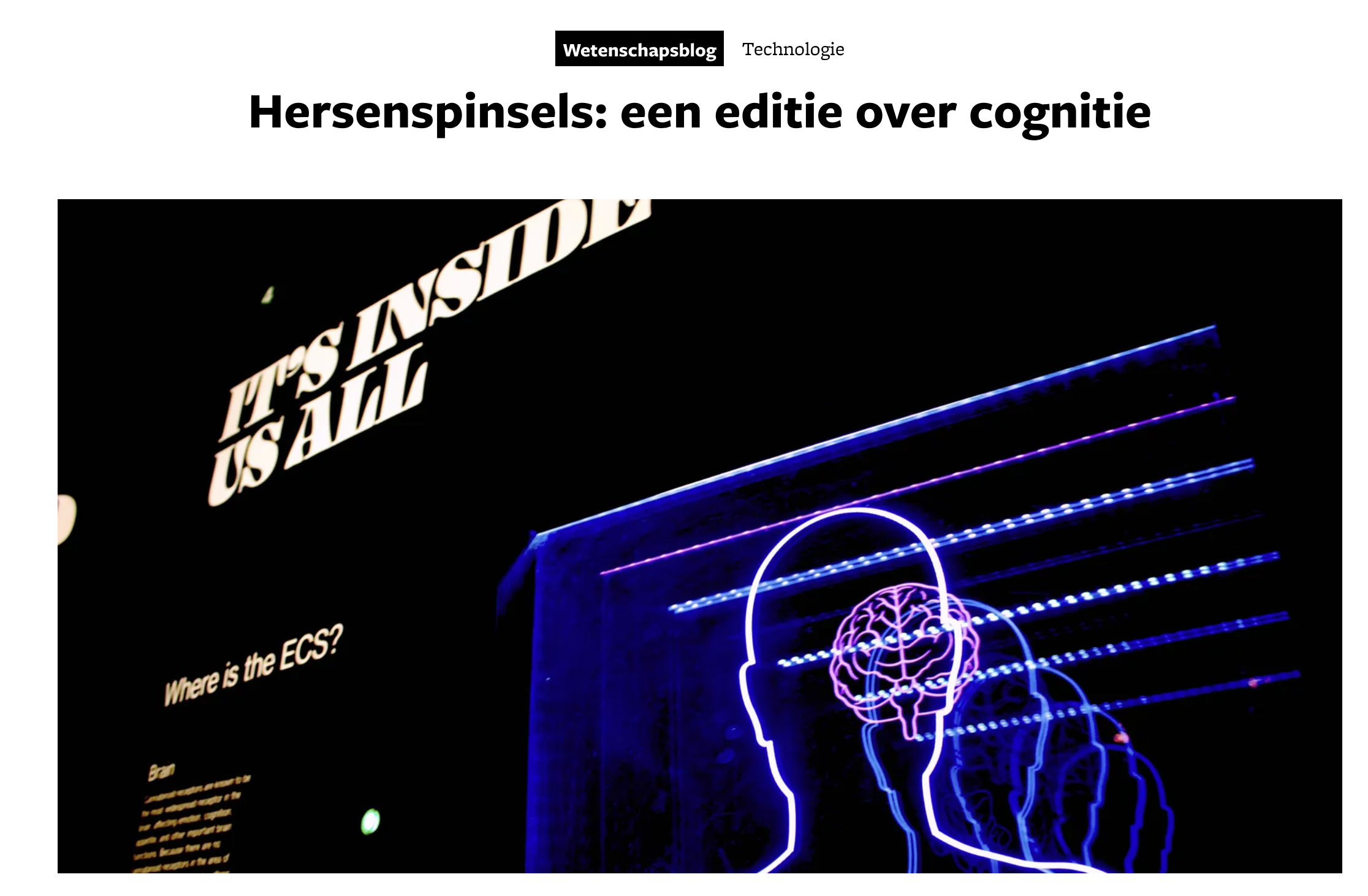
Blog about cognition, together with Dr. Delphine Van Laethem. Title: 'Hersenspinsels: een editie over cognitie'
Haelio Neurology
scicomm
Haelio Neurology
Interview
Interview about ACTRIMS 2021 presentation on brain age
Grant for OpenMR Virtual 2021
awards
Grant for OpenMR Virtual 2021
Merck
This grant supported the costs to organise the 2021 edition of OpenMR, which was virtual due to COVID-19.
Role: Awardee
Amount: € 1000
Siebe Clarebout
mentoring
Siebe Clarebout
Medicine
Topic: Modelling multimodal data to decode cognitive status in MS: A machine learning approach
Role: Daily Supervisor
Type: Master
2020
Interventions for preventing falls in...
IF 7.914
• Q1
publications
Interventions for preventing falls in people after stroke
Stroke
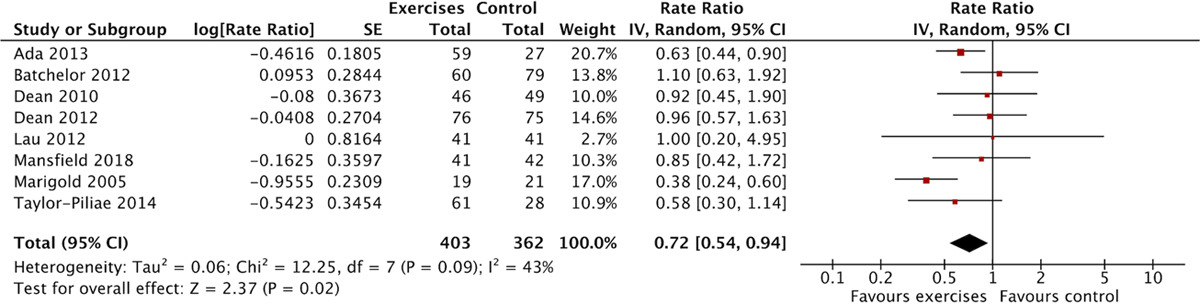
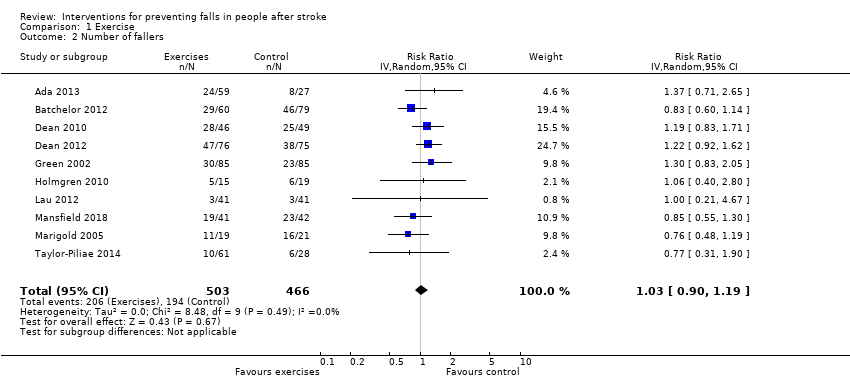
This is a summary of the eponymous Cochrane paper, published in the 'Cochrane corner' of Stroke. The results indicate that exercise may be beneficial for preventing rate of falls in people with stroke, but not number of fallers.
Wetenschap Brussel + EOS (AI)
scicomm
Wetenschap Brussel + EOS (AI)
Article
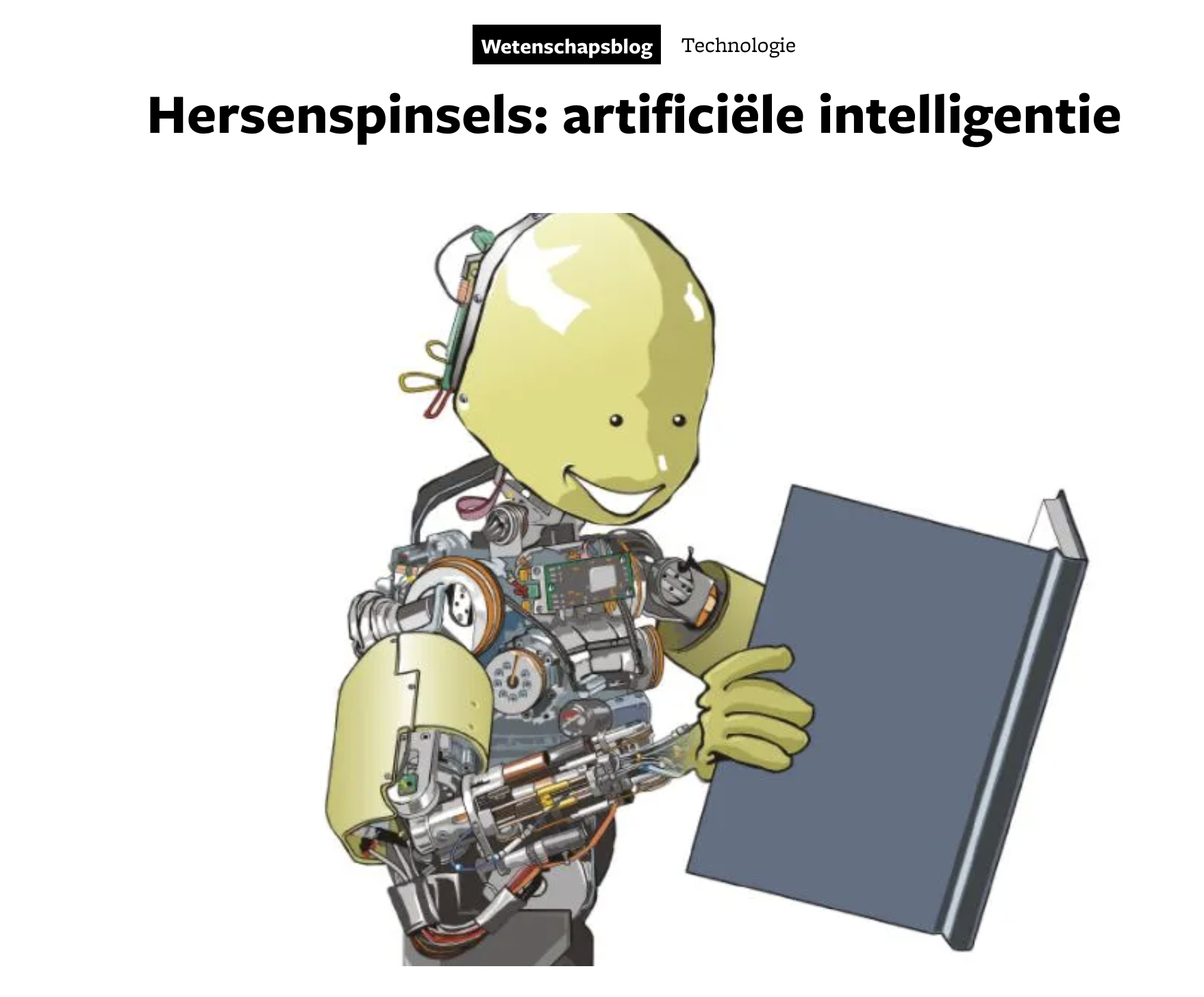
Blog about artificial intelligence.
Title: 'Hersenspinsels: artificiële intelligentie'
2019
NNR
conferences
NNR
Interventions for preventing falls in people after stroke
Platform presentation on the results of the update of the 2013 Cochrane review on fall prevention post-stroke.
Location: Maastricht (NL)
RIMS
conferences
RIMS
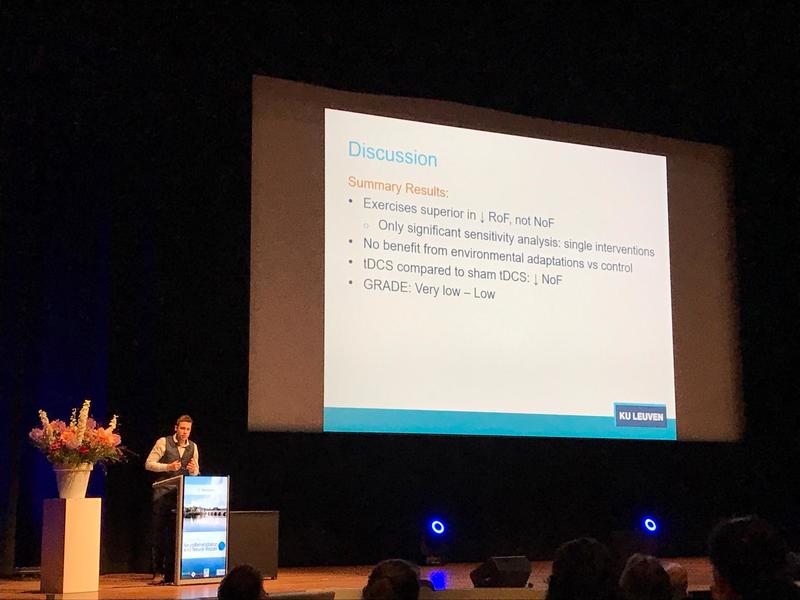
The impact of cognitive dysfunction on locomotor rehabilitation potential in MS
Platform presentation on an analysis of rehabilitation data at the National Multiple Sclerosis Center of Melsbroek. (cfr. publications)
Location: Ljubljana (SL)
RIMS
conferences
RIMS
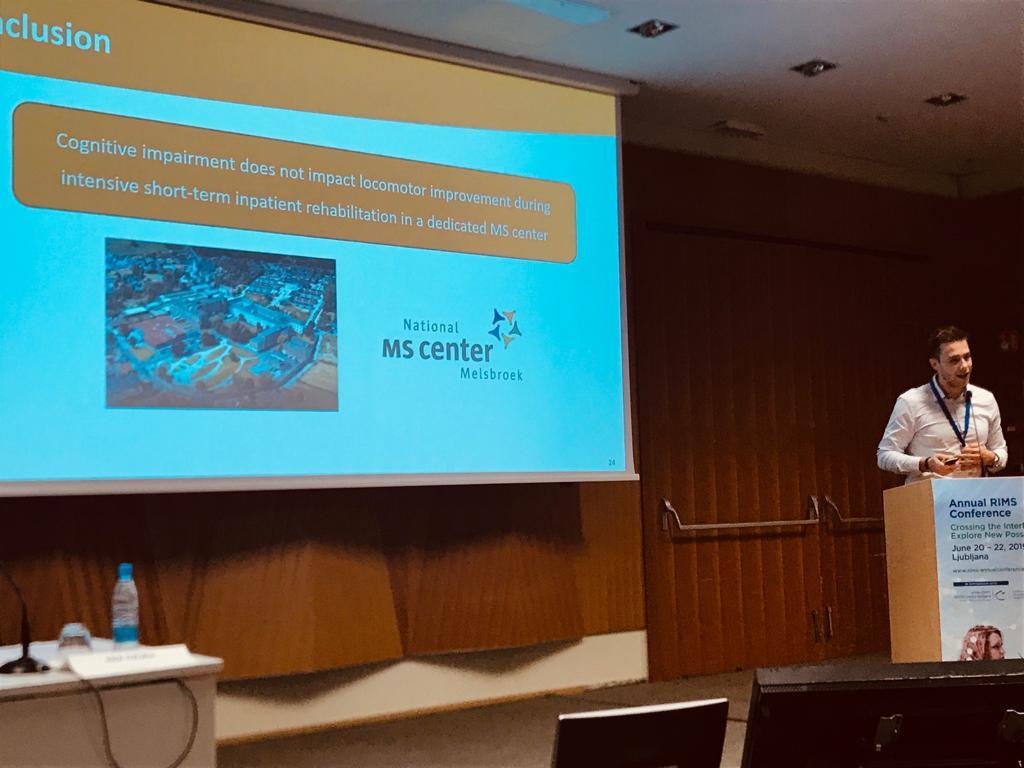
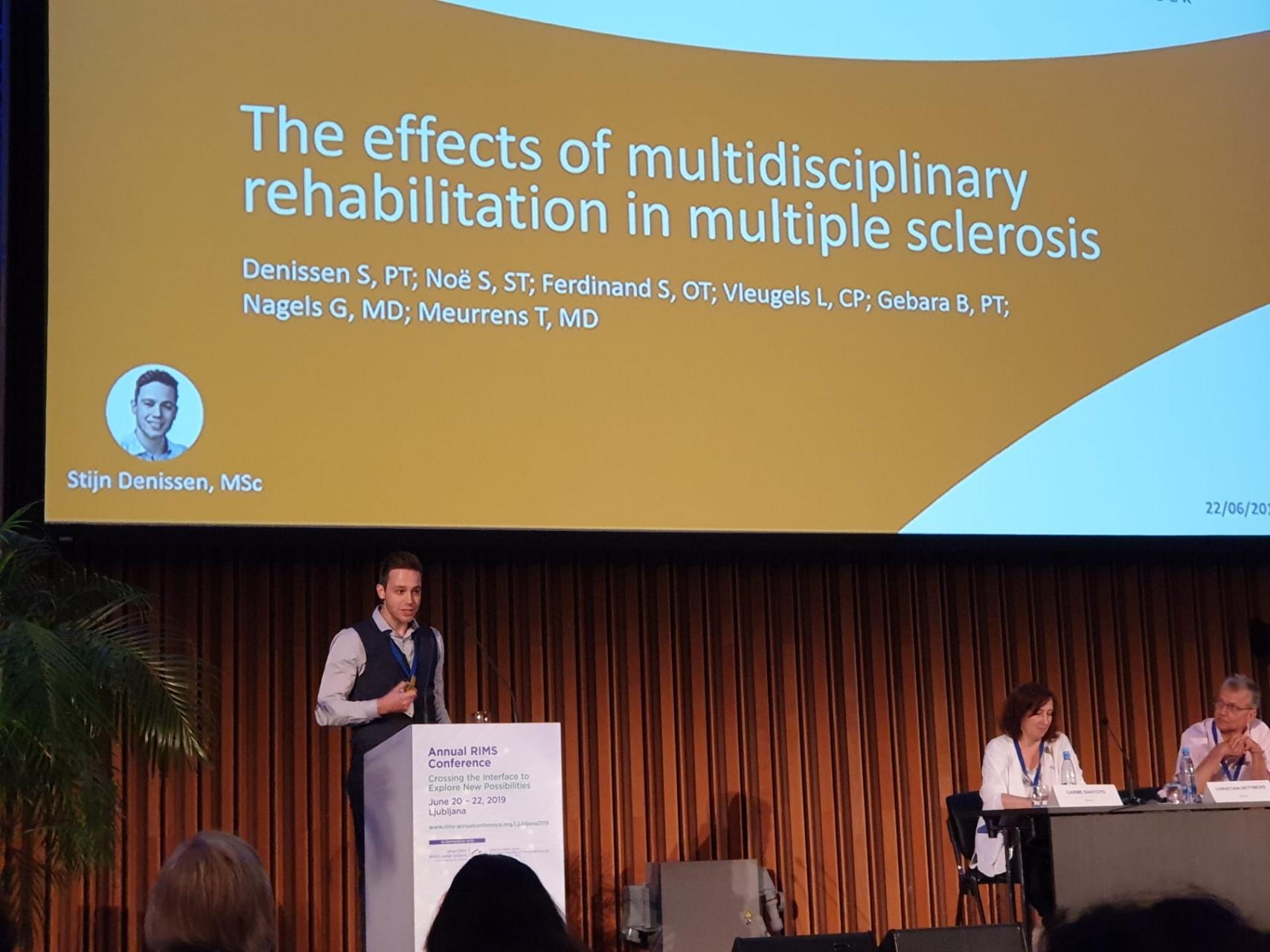
The effects of multidisciplinary rehabilitation in MS
Platform presentation on an analysis of rehabilitation data at the National Multiple Sclerosis Center of Melsbroek.
Location: Ljubljana (SL)
2019-2021
community_engagement
Board member
I co-organised events for the PhD student network in Natural Sciences & Engineering to stimulate connection between PhD students.
Location: VUB
Role: Board member
The Impact of Cognitive Dysfunction o...
publications
The Impact of Cognitive Dysfunction on Locomotor Rehabilitation Potential in Multiple Sclerosis
Journal of central nervous system disease
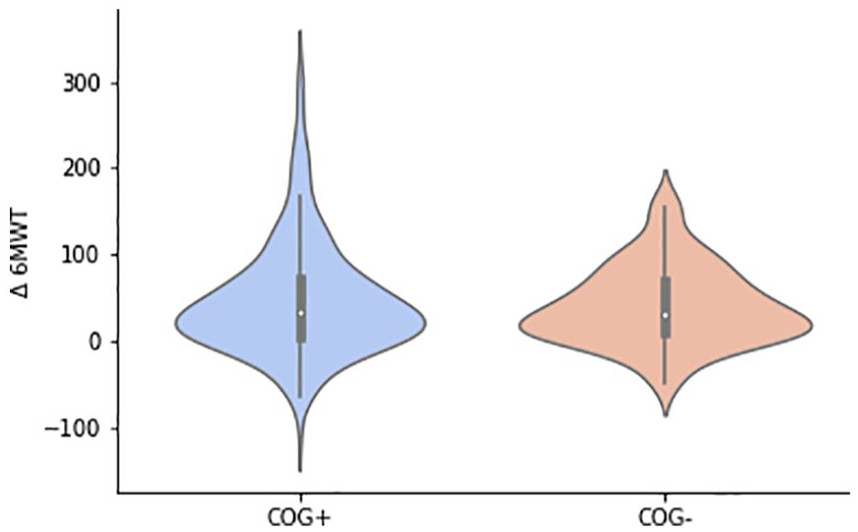
Cognitive impaired and preserved patients with MS showed a significant within-group difference in 6 Minute Walk Test (6MWT) during hospitalization (COG+: 47.51m; COG–: 40.97m; P<.01). In contrast, Δ6MWT values were comparable between groups. The odds of achieving a minimal clinical important difference on the 6MWT did not differ significantly between both groups. Only attention/concentration was significantly correlated with Δ6MWT.
Interventions for preventing falls in...
IF 7.89
• Q1
publications
Interventions for preventing falls in people after stroke
Cochrane database of systematic reviews
This is a summary of the eponymous Cochrane paper, published in the 'Cochrane corner' of Stroke. The results indicate that exercise may be beneficial for preventing rate of falls in people with stroke, but not number of fallers.
PhD Student (VLAIO Baekeland)
2019-2024
professional
PhD Student (VLAIO Baekeland)
Industrial doctorate. AIMS lab (VUB) and icometrix NV (Leuven)
Title: Structural brain damage and cognition in MS: an AI approach (HBC.2019.2579). See 'Education' and 'Awards' for more detail.
Baekeland Grant
awards
Baekeland Grant
Vlaams agentschap innoveren & ondernemen (VLAIO)
I secured a personal Baekeland PhD grant from the first round for my project 'Creating the MS compass of the future: imaging AI to predict disease progression' (HBC.2019.2579, good news reveived on Friday the 13th 🙂) This grant allowed me to carry out my industrial PhD, a collaboration between VUB and imaging AI company icometrix.
Amount: € 279.475
Nominated: Best Young Scientist
awards
Nominated: Best Young Scientist
Congress on Neurorehabilitation and Neural Repair
Nominated for the Best Young Scientist award of NNR 2019, based on my Cochrane review contribution.
2018
MSc Rehabilitation Sciences
2015-2018
education
MSc Rehabilitation Sciences
KU Leuven
- Thesis: Trunk rehabilitation in the different recovery phases post-stroke: a systematic review and meta-analysis
- Promoter: Prof. Dr. Geert Verheyden
- Track: Neurorehabilitation
- Note: I was selected for a research internship on brain stimulation under supervision of Prof. Koen Cuypers.
- Grade: Cum Laude
Selective trunk exercises, sitting reaching protocol and weight-shift training seem to provide beneficial effects for treating trunk impairment post-stroke. Furthermore, all protocols had superior effects on some phases post-stroke compared to control therapy. This thesis served as a first step towards a Cochrane review by Thijs et al. 2023.
Location: Leuven
Research assistant Prof. Guy Nagels
2018-2019
professional
Research assistant Prof. Guy Nagels
AIMS lab, VUB
Initial lab experience working on various projects, including a project on NMSC Melsbroek rehabilitation data, resulting in a paper in the Journal of Central Nervous System Disease, and continuing the Cochrane update.
Physical therapist
2018-2018
professional
Physical therapist
National Multiple Sclerosis Center Melsbroek
Rehabilitation of patients with multiple sclerosis.
Research assistant Prof. Geert Verheyden
2018-2018
professional
Research assistant Prof. Geert Verheyden
Dept. Rehabilitation Sciences, KU Leuven
Updating the 2013 Cochrane review of Prof. Verheyden, resulting in a paper in 2019.
2017
Dr. Becker Kiliani-Klinik, Bad Windsh...
research_stays
Dr. Becker Kiliani-Klinik, Bad Windsheim (DE)
Internship
Neurorehabilitation internship
Location: Bad Windsheim (DE)
Duration: 2 months

Physical therapist
2017-2017
professional
Physical therapist
GIRA Campus Pellenberg, UZ Leuven
Geriatric intensive rehabilitation, mainly of patients having suffered a stroke.
2016
2015
BSc Rehabilitation Sciences
2012-2015
education
BSc Rehabilitation Sciences
KU Leuven
- Grade: Cum Fructu
Location: Leuven
Artifex
2015-2017
community_engagement
Artifex
Co-founder
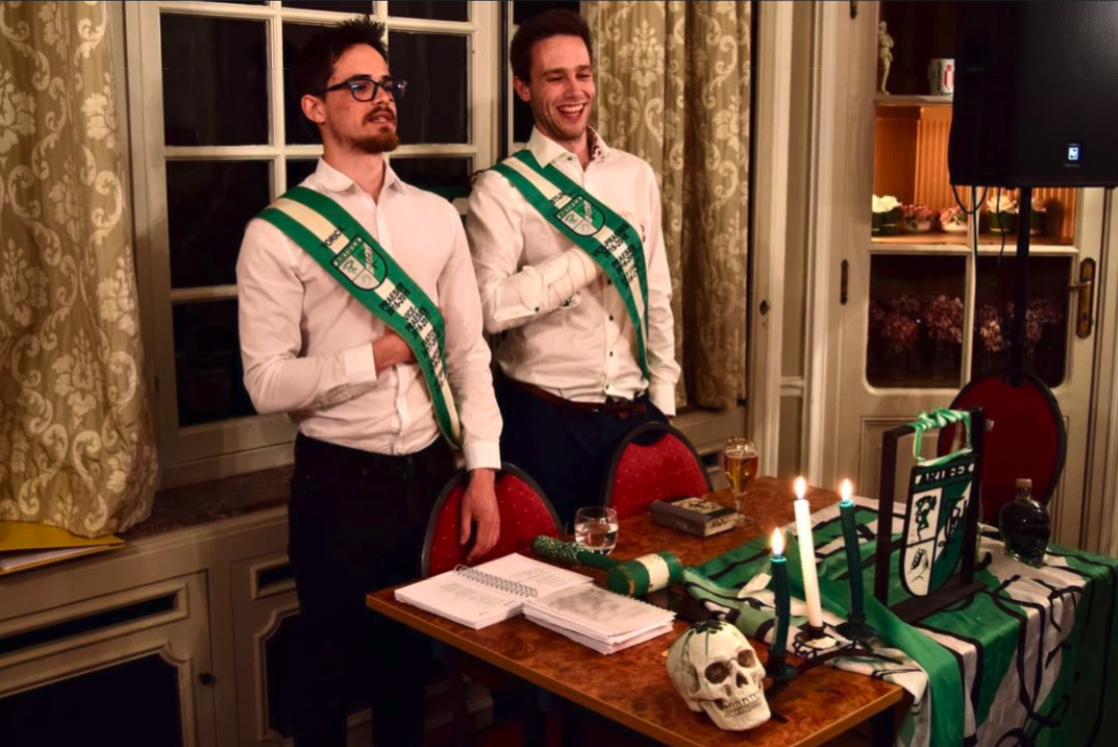
Based on my experience as cultural representative of Apolloon, I recognised a need for a student union dedicated for cultural enrichment for students in Leuven. I founded Artifex, which still exists today, with Yorick Peeters.
Location: Leuven
Role: Co-founder
2014
Apolloon
2014-2015
community_engagement
Apolloon
Board member
During the academic year 2014-2015, I was the cultural representative of Apolloon, the student union of the faculty of Movement and Rehabilitation Sciences. My responsibilities were to assure cultural enrichment of the students within the faculty, and to support the day-to-day operation of Apolloon.
Location: KU Leuven
Role: Board member